Snowboarding in the USA: Regions, Passes and Trip Planning
From Colorado and Utah to Tahoe, the Cascades and New England, US snowboarding is a patchwork of regions. Here is how to choose, how the big passes work for 2026–27 and what to plan.
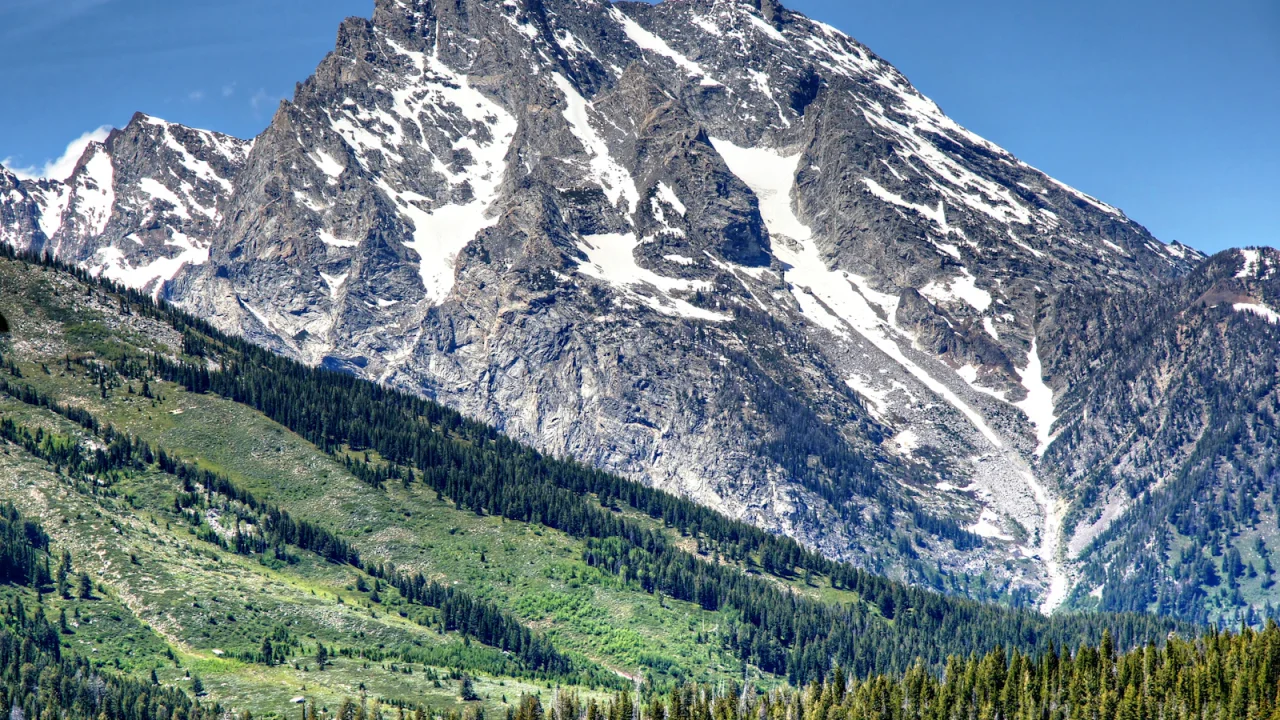
Snowboarding in the United States is less one destination than a patchwork of them. The country stretches from the high Rockies of Colorado and Wyoming to the Wasatch of Utah, the Sierra and Lake Tahoe, the wet Cascades of Washington and the older, lower mountains of New England. Each has its own snow, its own style of riding and its own way of getting there.
That variety is the appeal, and also the planning challenge. This guide sorts the main regions, explains how to choose between them, untangles the Epic, Ikon and Mountain Collective pass networks for 2026–27, and covers the logistics that trip up first-time visitors. All prices are in US dollars and are approximate, so confirm them with the resort before you book.
The main snowboarding regions
Colorado and the Rockies
Colorado is the volume play: many large resorts within a few hours of Denver, much of it high in altitude. Breckenridge sits about 104 miles from Denver International Airport and has a summit of 12,998 feet, with about 355 inches of average snowfall reported by the resort. Other well-known names include Vail, Beaver Creek and Keystone (Epic Pass), and Steamboat, Winter Park, Copper Mountain and Arapahoe Basin (unlimited on the Ikon Pass). Telluride, in the southwest, is a 7-day partner on the Epic Pass; the Epic site lists 149 runs, a top elevation of 13,320 feet and roughly 300 inches of snow a year. Our Breckenridge snowboarding guide covers the Summit County side in detail.
Further north, Jackson Hole in Wyoming is known for steep terrain and a 4,139-foot vertical drop, while Grand Targhee, about 54 miles from Jackson Hole Airport by the resort’s measure, has a larger acreage but lower vertical. Big Sky in Montana is on both the Ikon Pass and Mountain Collective.
Utah
Utah’s draw is how close its resorts are to a large airport. Salt Lake City International Airport is about 32 miles from Park City Mountain, roughly a 35-minute drive according to Ski Utah. Park City is the Epic Pass anchor, with about 7,300 acres and six terrain parks. The Ikon Pass covers Solitude (unlimited), plus Brighton, Snowbasin and Deer Valley for up to seven days each, with Alta and Snowbird sharing seven days. One caution for riders: Alta and Deer Valley are ski-only, so snowboarders cannot use days there.
California and Lake Tahoe
The Sierra Nevada has a mix of big-name resorts. Mammoth Mountain lists just over 3,500 acres, 25 lifts and 181 trails, and its site promotes a spring season. Lake Tahoe’s main resorts include Palisades Tahoe (unlimited on Ikon), Sierra-at-Tahoe (up to seven days on Ikon) and Heavenly, Northstar and Kirkwood (Epic Pass). Check forecasts and road conditions as your trip gets closer.
Pacific Northwest and Alaska
The Cascades are known for maritime snowfall. Mt. Baker reports that 1,140 inches fell there in the 1998–99 season, which it says NOAA verified as the world record for a single winter, and lists about 1,000 acres, eight quad chairs and two handle tows. Crystal Mountain in Washington is unlimited on Ikon, Stevens Pass is on the Epic Pass, and Mt. Bachelor in Oregon and The Summit at Snoqualmie are up to seven days on Ikon. Alyeska in Alaska is also on the Ikon list for seven days.
The Northeast
New England and upstate New York offer a different feel from the West. Stowe, on Vermont’s highest peak, Mount Mansfield, has been operating since 1937 and is on the Epic Pass, with a target opening of November 21, 2026. Stratton and Sugarbush are unlimited on Ikon, Killington–Pico, Loon, Sugarloaf and Sunday River are up to seven days, and Sugarloaf, Sunday River and Whiteface are on Mountain Collective. One exception to know: Mad River Glen’s equipment policy states that snowboards are not permitted on its lifts or trails.
How to choose
Start with what matters most for the trip: skill level, travel time, snow and budget. The table compares our three US resort guides side by side using resort-published figures.
| Jackson Hole | Park City | Breckenridge | |
|---|---|---|---|
| Terrain (resort figures) | About 2,500 acres | About 7,300 acres | About 2,908 acres |
| Summit elevation | 10,450 ft | 10,026 ft | 12,998 ft |
| Beginner / intermediate / advanced+ | About 10% / 40% / 50% | About 8% / 42% / 50% | About 11% / 31% / 58% |
| Nearest major airport | JAC, about 20 miles | SLC, about 32 to 36 miles | DEN, about 104 miles |
| 2026–27 opening | Nov 27, 2026 | Target Nov 20, 2026 | Planned Nov 6, 2026 |
| Multi-resort pass | Full Ikon, Mountain Collective | Epic | Epic |
A few rules of thumb follow from these numbers. If you are building skills, look for resorts with dedicated learning areas and larger beginner shares, such as the Peak 9 zone at Breckenridge or the learning areas at Park City. If you want steep terrain, Jackson Hole’s 50% expert share and 4,139-foot vertical stand out. If you want fast access from a major hub, Salt Lake City to Park City is one of the shortest transfers in the country. If you want a lot of terrain on a single pass, compare the Epic and Ikon lists below. You can compare resorts side by side in our tool.
Multi-resort passes: Epic, Ikon and Mountain Collective
Three networks cover many of the best-known US resorts. Always check the official pass pages for the current resort list, day limits and reservation rules, and decide which resorts you will actually visit before you buy.
| Pass | How it works (2026–27) | US examples | Watch for |
|---|---|---|---|
| Epic Pass | Unlimited access at Vail Resorts’ North American mountains, plus up to 7 days at Telluride and a group of Canadian partner resorts | Breckenridge, Park City, Vail, Keystone, Beaver Creek, Crested Butte, Heavenly, Stowe | Prices rise during the sale period; the Epic Local Pass is cheaper but has blackout dates; Epic Day Pass sells 1 to 7 days |
| Ikon Pass | Unlimited at 18 destinations and up to 7 days at 33 select destinations (reservations required at many) | Unlimited: Steamboat, Winter Park, Copper, A-Basin, Mammoth, Palisades Tahoe, Crystal. Seven days: Jackson Hole, Big Sky, Aspen Snowmass, Taos | Base and Session passes have fewer days; Jackson Hole is full Ikon only; Alta and Deer Valley are ski-only |
| Mountain Collective | 2 days at each of 27 destinations, then 50% off additional days | Jackson Hole, Alta, Snowbird, Big Sky, Taos, Sugarloaf, Sun Valley | Only 2 days per resort; some resorts require reservations |
On price, the adult Epic Pass launched in March 2026 at US$1,089 (ages 31 and older) and the Epic Local Pass at US$809, with discounts for ages 13 to 30, according to TownLift. Vail Resorts’ resort sites say prices rise on November 15. The official Ikon shop page lists adult Ikon Passes from about US$1,529 for ages 23 and older as of November 2026. These are snapshots; both networks raise prices through the sale period.
Two practical points. First, Ikon lists lift-reservation requirements at many of its 7-day destinations, and Jackson Hole requires reservations from Ikon and Mountain Collective holders. Second, count your days: if you plan more than a week at one resort, an unlimited pass at that resort beats a 7-day allowance.
When to go
US seasons stagger. Keystone planned to open as early as October, Breckenridge on November 6, Mammoth on November 13, Park City on November 20, Stowe on November 21 and Jackson Hole on November 27, all subject to conditions. Most resorts have their best coverage from January to March. Typical closings vary widely: Jackson Hole has closed in the second week of April in recent years, Park City’s winter operations typically run through April, and Breckenridge’s season typically runs into May.
Holiday periods are the busiest and most expensive. The 2026–27 blackout calendars published by Ikon and Epic Local cluster around Thanksgiving weekend, December 26–31, Martin Luther King Jr. weekend in mid-January and Presidents’ Day weekend in mid-February. Jackson Hole says traveling outside peak periods brings deeper ticket savings, and Breckenridge says early spring has fewer crowds; check each resort’s own calendar.
Travel logistics
Flights and ID
Many resorts are near big hubs: Denver for Summit County, Salt Lake City for Utah, and Jackson Hole Airport for Teton Village. Since May 7, 2025, the TSA requires a REAL ID-compliant license or another accepted ID, such as a US passport, to fly within the United States. Visitors from Visa Waiver Program countries need an approved ESTA before flying, per US Customs and Border Protection. Plan for baggage fees and size rules; see how to fly with a snowboard.
Getting around
You may not need a car at every resort. Park City Transit is fare-free, Breckenridge has a free Free Ride bus, a free BreckConnect Gondola and free Summit Stage buses, and Jackson Hole has the START bus. Airport shuttles are the common alternative to renting a car. If you do drive in the mountains, Colorado runs traction and chain laws on mountain roads, and its DOT directs drivers to COtrip.org and 511 for conditions. Check local road reports before you leave the airport.
Costs and tickets
Expect resorts to price lift tickets by date and purchase time: Jackson Hole describes its prices as tiered and limited in quantity, and Vail Resorts says buying online in advance is cheaper than buying later. Parking at base areas can add cost; Teton Village and Breckenridge both list paid lots. Our snowboard holiday cost guide has a fuller breakdown, and snowboard travel insurance explains what cover to look for.
What to pack
Mountain weather varies by region, from dry cold in the Rockies to wet snow in the Cascades. Pack layers, goggles for both bright and flat light, and a way to protect your board in transit.
See Available Options (opens Amazon search for padded snowboard travel bag with wheels in a new tab)Use the packing checklist for the rest.
Pros and cons
Pros
- Huge variety of terrain, from park-focused resorts to steep big-mountain areas
- Many resorts within a short transfer of major airports
- Multi-resort passes can lower the cost of a longer trip
- Strong infrastructure: lessons, rentals and services at most resorts
Cons
- Lift tickets and lodging can be expensive at peak times
- Pass rules, reservations and blackout dates are complicated
- Some resorts restrict snowboarding
- Mountain driving and altitude can be demanding for first-time visitors
Frequently asked questions
Which US state is best for snowboarding?
It depends on what you want. Colorado and Utah offer the most choice and the easiest access from large airports, Wyoming has steeper terrain, California has Tahoe and Mammoth, and the Pacific Northwest and Northeast offer different snow conditions and character.
Do any US resorts ban snowboarding?
Yes. Mad River Glen’s equipment policy states that snowboards are not permitted. Alta and Deer Valley in Utah are also ski-only. Check each resort’s rules before booking.
Is the Epic Pass or Ikon Pass better for snowboarders?
It depends on where you will ride. Epic is strongest for Colorado’s Summit County, Park City and Whistler. Ikon spreads access across more regions, with many seven-day destinations. List your target resorts and compare their allowances.
Do I need a car for a US ski trip?
Not always. Several resort towns have free buses and gondolas, and airport shuttles serve major resort areas. A car is more useful if you plan to visit several resorts or stay outside the main village.
Do I need travel documents beyond a passport?
US citizens flying domestically need a REAL ID-compliant license or passport. International visitors need a valid passport and, if from a Visa Waiver Program country, an approved ESTA. Check official government sources for your situation.
Related guides
- Jackson Hole snowboarding guide: steep Wyoming terrain, Stash parks and reservations for pass holders.
- Park City snowboarding guide: Utah’s biggest resort, close to Salt Lake City.
- Breckenridge snowboarding guide: five peaks and a historic Main Street.
- Snowboarding in Canada: the neighboring option, with its own passes and logistics.
- Best snowboarding destinations in the world for the bigger picture.
Sources and further reading
- Ikon Pass 2026/27 — Ikon Pass
- Mountain Collective 2026/27 — Mountain Collective
- 2026/27 Epic Pass buyer’s guide — OnTheSnow
- Epic Passes for 2026–27 go on sale — TownLift
- Telluride on the Epic Pass — Epic Pass
- Resorts of the Canadian Rockies on the Epic Pass — Epic Pass
- Breckenridge mountain stats — Breckenridge Ski Resort
- Jackson Hole mountain stats — Jackson Hole Mountain Resort
- Jackson Hole valley resort comparison — Jackson Hole Mountain Resort
- Park City Mountain — Ski Utah
- Multi-resort passes in Utah — Ski Utah
- Mammoth Mountain — Mammoth Mountain
- Snowfall statistics — Mt. Baker Ski Area
- Mountain stats — Mt. Baker Ski Area
- Stowe Mountain Resort — Stowe
- Equipment policy — Mad River Glen
- Vail Resorts announces 2026-27 opening dates — ColoradoBiz
- Winter driving — Colorado Department of Transportation
- REAL ID — Transportation Security Administration
- ESTA — US Customs and Border Protection
- Alta Ski Area — Wikipedia
- Deer Valley Resort — Wikipedia