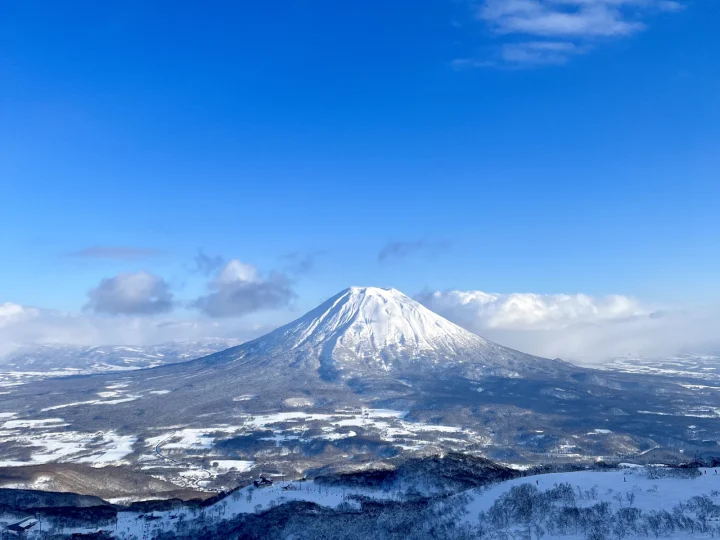
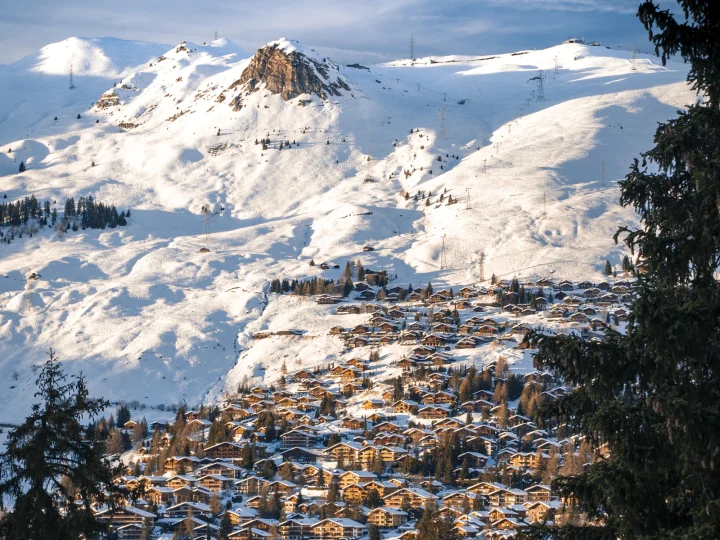
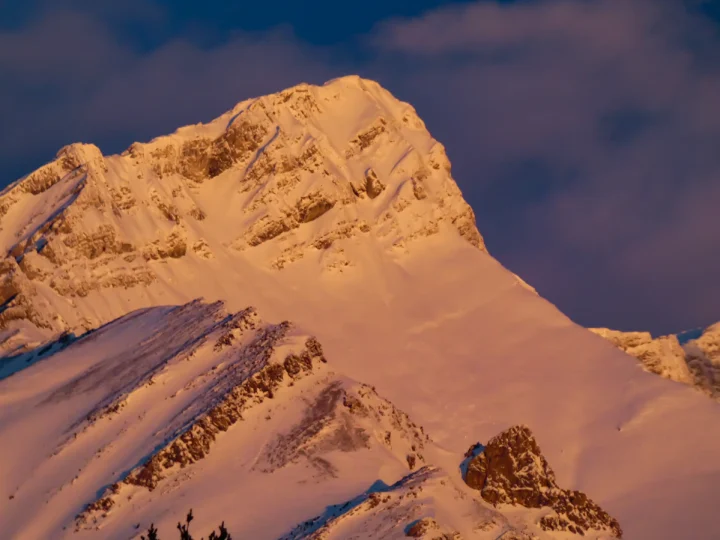
Chamonix Snowboarding Guide: Big-Mountain Terrain, Passes and Trip Planning
Chamonix is a high-alpine snowboard destination with four separate ski areas, glacier terrain and serious off-piste. Here is how to plan a 2026–27 trip safely.
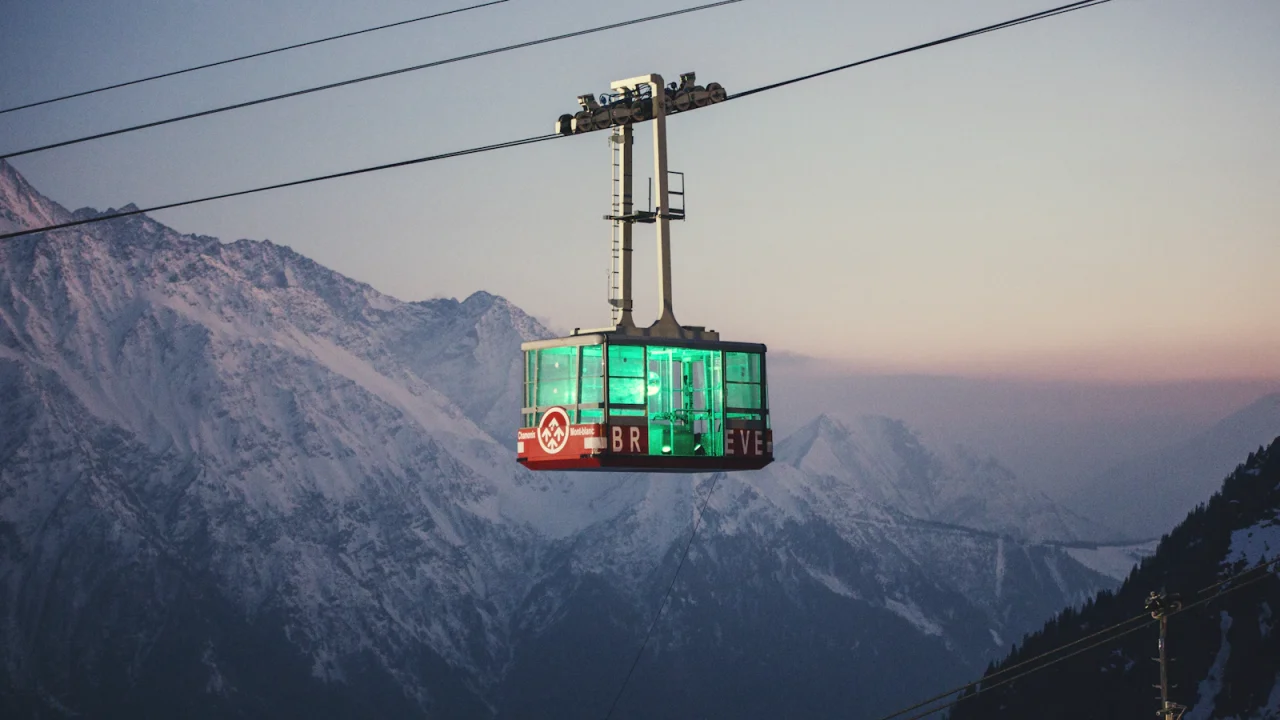
Chamonix does not behave like a typical ski resort. It is a mountain town in the shadow of the Mont Blanc massif, surrounded by several separate ski areas, with a cable car that climbs to 3,842 meters and some of the most serious off-piste terrain in the Alps. For confident snowboarders who want big mountains, glaciers and a genuine alpine town, it is a strong choice.
It also asks for some homework. The lifts are split between different sectors of the valley, the Grands Montets sector is mid-rebuild this winter, and the terrain people dream about is glacier and avalanche country where guides, training and rescue gear matter. This guide explains how the valley is organized, how to get there, which pass suits which plan and how to approach the high mountains responsibly. It is based on official sources checked in November 2026, so confirm schedules and prices before you book.
Location and getting there
Chamonix sits in the Arve valley in Haute-Savoie, close to the Swiss and Italian borders. Geneva Airport (GVA) is the practical gateway for most international visitors.
From Geneva Airport
- Shuttle or private transfer: The drive normally takes about 1 hour 15 minutes in good traffic. Shared shuttles often quote closer to 1 hour 30 minutes because of pick-ups, and snow or busy Saturdays can add a lot (approximate, per a September 2026 transfer listing).
- Transfer prices (approximate, September 2026, euros): One-way shared seats are listed from roughly €30 to €50 per person, and private vehicles from roughly €230 to €300 per trip depending on operator and timing. Weekend rates are often higher.
- Train: The fastest published Geneva–Chamonix rail journeys take about 2 hours 25 minutes as of September 2026, and many take around three hours with changes. The usual route runs to Saint-Gervais–Le Fayet, where the Mont-Blanc Express train continues up the valley to Chamonix.
Getting around the valley
The Mont-Blanc Express stops in several valley villages, and the Chamonix Mobilité bus network (including ski bus lines) links the ski areas. The tourism office says guests with a Guest Card from their accommodation can ride the Mont-Blanc Express between Servoz and Vallorcine free of charge. Chamonix Le Pass and Mont Blanc Unlimited are reported to include the valley ski bus network. Confirm the current rules when you buy.
Terrain and riding
The first thing to understand is that Chamonix is not one linked ski area. It is a string of separate sectors, each reached from a different part of the valley, so most days start with a short bus or train hop.
The four main areas
- Brévent–Flégère: A south-facing area with wide views of Mont Blanc. Brévent is reached from central Chamonix and Flégère from Les Praz, about 3 km away. It suits a range of levels, and the Brévent side has a supervised freestyle area at lift 2000 with five rails and a large airbag, according to the tourism office.
- Grands Montets (Argentière): The steepest, highest and most dramatic of the lift-served sectors, spanning roughly 1,235 m to 2,800 m in its current form. See the rebuild note below.
- Balme–Vallorcine (Le Tour): Gentler and quieter. The Charamillon side above Le Tour has broad, mellow slopes, while the Vallorcine side runs through fir forest near the Swiss border.
- Les Houches: A lower, family-oriented area between about 1,000 m and 1,900 m with a snowmaking network and a beginner area at Tourchet (1,800 m).
Chamonix Le Pass is described by a local information site as covering around 110 km of marked pistes across Brévent–Flégère, Grands Montets and Balme–Vallorcine, plus small beginner areas.
Beginners and intermediates
Chamonix is better known for steeps than for learning, but beginners are not shut out. Chamonix Le Pass includes beginner areas at La Vormaine, Le Savoy, Les Planards and Les Chosalets, and Les Houches and the Balme side suit mellow progression. Intermediates will find the best variety on Brévent–Flégère and Balme–Vallorcine, with Grands Montets as a step up once it is fully rebuilt.
Advanced and off-piste
The big draw is the high mountain. The Aiguille du Midi cable car climbs to 3,842 m and is the starting point for the Vallée Blanche, a glacier descent that the Compagnie des Guides de Chamonix describes as more than 20 km long with around 2,000 m of vertical drop. The company’s guided version expects riders to move comfortably on an ungroomed red run, control their speed and manage moderate turns, with a minimum age of 15. The listing says it includes a guide, a harness and an avalanche transceiver.
The listing does not discuss snowboards specifically, so ask any guide company how the route’s traverses and flatter sections suit a board. The Vallée Blanche is not a marked piste. It is glacier terrain with crevasses and changing snow bridges, and local information sites repeatedly advise going with a guide or an organized guided group.
When to go
Typical Chamonix seasons run from December to April. For 2026–27 the tourism office lists these planned opening periods, all subject to snow and weather:
- Brévent–Flégère: 12 December 2026 to 18 April 2027
- Balme–Vallorcine: 12 December 2026 to 11 April 2027
- Les Houches–Saint-Gervais: 19 December 2026 to 4 April 2027
- Grands Montets: weekend opening on 28–29 November 2026, then daily from 5 December 2026 to 2 May 2027, depending on snow and the rebuild
The Aiguille du Midi cable car is listed to reopen on 19 December 2026. Mid-winter is the core season and also the busiest, especially around Christmas and the February school holidays. Dates and snow vary every year, so check the official lift information shortly before you travel.
Where to stay
Where you sleep decides how your days start, since the sectors are separate.
- Chamonix town: The largest choice of lodging, restaurants and shops, and the base for Brévent. Buses and the train connect to other sectors.
- Les Praz and Argentière: Closer to Flégère and Grands Montets respectively, quieter in the evenings, with train and bus links.
- Les Houches: Handy for the Les Houches area and a calmer base for families.
- Le Tour and Vallorcine: Small villages at the head of the valley beside the Balme–Vallorcine slopes.
Booking early helps for Christmas, New Year and February, and the Guest Card issued by your accommodation includes free Mont-Blanc Express rides between Servoz and Vallorcine and discounted bus passes.
Food, après and facilities
Chamonix is a year-round town with a broad mix of restaurants, bars and cafés, and mountain restaurants at the main lift stations. On non-riding days the cable cars also serve walkers: the tourism office sells a pedestrian package covering high-altitude viewpoints and restaurants at Planpraz, Brévent, Flégère, Charamillon, the Aiguille du Midi and Montenvers.
Other winter options include the Montenvers–Mer de Glace railway and gondola (listed to reopen on 5 December 2026) and the Musée du Mont-Blanc, which a regional travel magazine reports will host a temporary exhibition from December to 30 April 2027. Ski and snowboard schools operate in the valley, so ask about English-language group lessons when you book.
Lift passes
Chamonix uses dynamic pricing, so the lowest prices usually go to advance online buyers. The main products are:
- Chamonix Le Pass: Covers Brévent–Flégère, Grands Montets, Balme–Le Tour–Vallorcine and the beginner areas. It excludes Les Houches, the Aiguille du Midi and Montenvers.
- Mont Blanc Unlimited: Everything in Chamonix Le Pass plus Les Houches–Saint-Gervais, the Aiguille du Midi, Montenvers–Mer de Glace and the Mont-Blanc Tramway. The Mont Blanc Natural Resort site also lists Megève, Courmayeur and Crans-Montana access. Some extras, such as Courmayeur and Evasion Mont-Blanc, apply to passes of two days or more and carry conditions.
- Les Houches–Saint-Gervais: A pass for the Les Houches area, with daily and part-day options.
| Pass (adult) | Reference 1-day price | Reference 6-day price | Online “from” price |
|---|---|---|---|
| Chamonix Le Pass | about €76.50 | about €380 (marked to be confirmed) | from about €49 |
| Mont Blanc Unlimited | about €104 (to be confirmed) | about €500 (to be confirmed) | from about €75 |
| Les Houches–Saint-Gervais | about €60 | about €281 | from about €30 |
Prices are approximate. Reference tariffs are standard high-season figures for winter 2026–27 as listed by a local information site in November 2026, with some marked as unconfirmed. The “from” prices are lowest-case online figures on the tourism office’s pass page. Presale season and annual passes run from 20 October to 30 November 2026. Check the official Mont Blanc Natural Resort ticket shop before booking.
Equipment rental
Rental shops operate in Chamonix town and the main villages, and reserving ahead helps in holiday weeks. Make sure your boots fit well and your board length matches your height, weight and the terrain. If you are deciding whether to travel with your own gear, read rent or bring your own snowboard.
For guided off-piste or the Vallée Blanche, ask the guide company what safety equipment is supplied. The Compagnie des Guides lists a harness and avalanche transceiver as included on its guided descent, but you still supply your own board, boots and a backpack.
What to pack
Chamonix weather can swing quickly, and the high cable cars are far colder than the valley floor. Pack layers, a helmet, warm gloves and goggles that suit flat light, plus sunscreen for altitude.
A spare goggle lens is worth carrying for variable light. See Available Options (opens Amazon search for snowboard goggles with interchangeable lenses in a new tab)
Traveling with a board? A padded bag protects it on trains, buses and flights. See Available Options (opens Amazon search for padded snowboard travel bag with wheels in a new tab)
Avalanche transceivers, shovels and probes are safety equipment, so buy or rent them from a specialist, learn to use them and ask a guide what suits your plans. Use our checklist to cover everything else:
Approximate trip budget
The table below is an estimate for one adult, dated November 2026, in euros. It includes only items with published prices. Lodging, food, rental and lessons vary so much by dates and standard that quoting a single figure would mislead; build those in with the trip budget calculator.
| Item | Approximate figure (EUR, Nov 2026) | Notes |
|---|---|---|
| 6-day adult lift pass | about €380 (Chamonix Le Pass) to about €500 (Mont Blanc Unlimited) | High-season reference tariffs; online advance prices can be lower |
| Geneva Airport transfer, one way | about €30–€50 shared, about €230–€300 private per vehicle | Sept 2026 listings; weekend rates higher |
| Lodging | Varies widely | Usually the largest cost; compare apartments, chalets and hotels for your dates |
| Food and drink | Varies | Mix of self-catering and restaurant meals |
| Rental and lessons | Varies | Check shop and school rates; book early in peak weeks |
| Guided Vallée Blanche or off-piste day | Varies by guide and group | Cable car ticket is usually separate; confirm what is included |
Assumptions: a six-day pass is purchased at published reference tariffs, transfers are booked one way each direction, and the Aiguille du Midi ticket, travel insurance and flights are not included. Travel insurance matters for off-piste riding, so read our guide to snowboard travel insurance and check that your policy covers off-piste, mountain rescue and medical transport.
Pros and cons
Pros
- High-altitude, glacier and big-mountain terrain few resorts can match
- Guides, safety training and avalanche bulletins are readily available
- Four distinct ski areas offer variety within one valley
- Real mountain town with activities for non-riding days
- Geneva Airport is a manageable transfer away
Cons
- Ski areas are separate and need buses or trains to link
- Grands Montets is mid-rebuild in 2026–27
- The best terrain demands training, equipment and often a guide
- Not a big terrain park destination
- Prices and crowds spike in holiday weeks
Frequently asked questions
Is Chamonix good for snowboarders?
It is excellent for confident riders who want steep, high-alpine terrain and guided off-piste. It is less convenient for riders who want a single connected ski area or a big terrain park.
Can beginners snowboard in Chamonix?
Yes, on a smaller scale. Chamonix Le Pass includes beginner areas at La Vormaine, Le Savoy, Les Planards and Les Chosalets, and Les Houches and the Balme side suit gentle progression. First-timers who want a large learning area may prefer a more purpose-built resort.
Do I need a guide for the Vallée Blanche?
It is not a marked piste, and local guidance consistently advises going with a guide or an organized guided group because of crevasses, changing snow bridges and weather. The sources reviewed do not describe a legal requirement, so confirm current rules with the lift operator or a guide company.
Which airport is best for Chamonix?
Geneva (GVA) is the usual choice, with a road transfer of roughly 1 hour 15 minutes to 1 hour 30 minutes in typical conditions.
Which lift pass should I choose?
Chamonix Le Pass covers the three main valley ski areas and beginner zones. Choose Mont Blanc Unlimited if you also want Les Houches, the Aiguille du Midi, Montenvers or extra regional access. Les Houches–Saint-Gervais suits a relaxed or family-focused stay.
Is Chamonix open for the whole winter?
Typically December to April, with different opening dates for each area. The 2026–27 schedules run from mid-December in most sectors and to 2 May 2027 for Grands Montets, subject to snow.
Related resort guides
- Verbier snowboarding guide — another Alpine big-mountain destination in Switzerland
- St. Anton snowboarding guide — Austria’s Arlberg, with freeride and a terrain park
- Snowboarding in France — the wider country overview
- Resort comparison tool — compare resorts side by side
Sources and further reading
- Ski area Grands Montets — Chamonix-Mont-Blanc tourism office
- Domaine skiable Brévent–Flégère — Chamonix-Mont-Blanc tourism office
- Ski area Balme–Vallorcine — Chamonix-Mont-Blanc tourism office
- Les Houches/Saint Gervais ski area — Chamonix-Mont-Blanc tourism office
- Lifts and excursion sites — Chamonix-Mont-Blanc tourism office
- Winter ski and lift passes — Chamonix-Mont-Blanc tourism office
- Public transport — Chamonix-Mont-Blanc tourism office
- Avalanche bulletin, Mont Blanc massif — Météo-France and the Chamonix tourist office
- Vallée Blanche descent — Compagnie des Guides de Chamonix via the tourism office
- Mont Blanc Natural Resort — Compagnie du Mont-Blanc
- Chamonix ski pass prices — SeeChamonix
- Geneva to Chamonix transfers — SeeChamonix
- The Vallée Blanche is not a piste — SeeChamonix
- What’s new in French Alps ski resorts 2026–27 — Alti Mag
- Avalanche danger scale — European Avalanche Warning Services
- Chamonix — Wikipedia (commune elevation)