Rent or Bring Your Own Snowboard? Costs, Trade-Offs and Boots
Weigh rental costs against airline bag fees, hassle and risk, and see why boots are worth bringing even if you rent the board. Includes a simple break-even check.
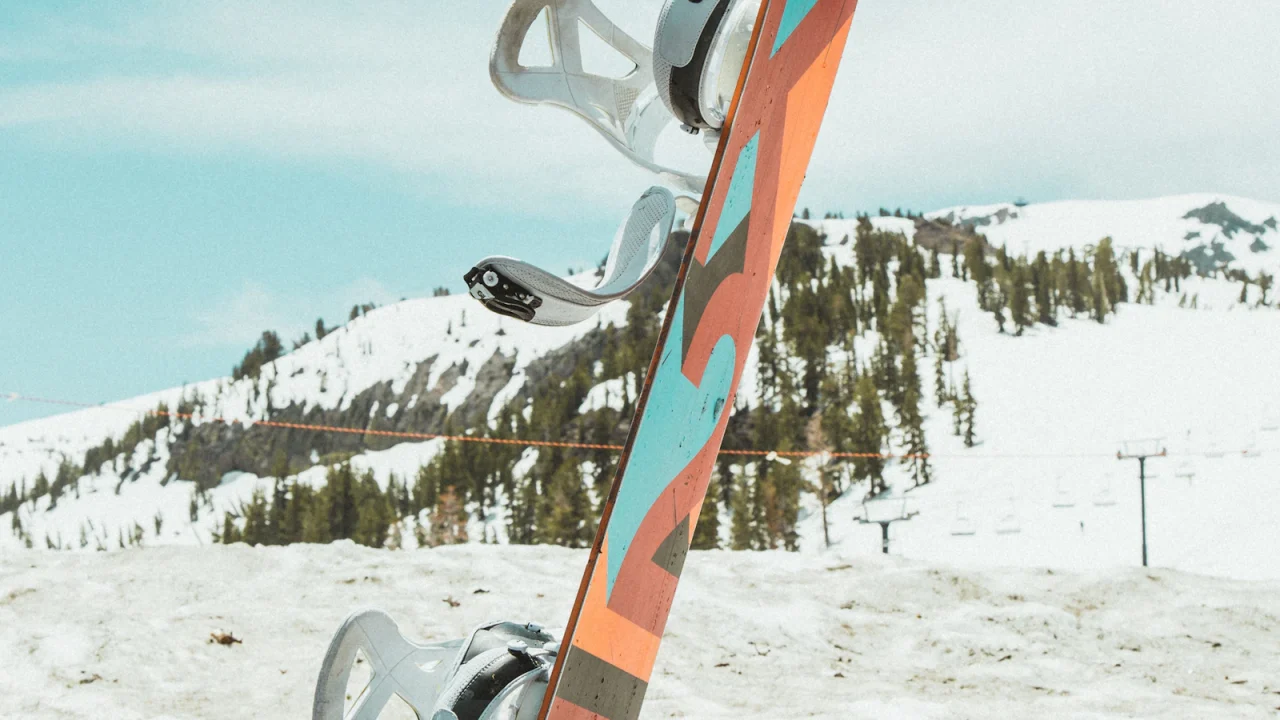
Rent or bring your own snowboard? There is no single right answer. The choice depends on how long you are going, how many bags the airline will let you check, how attached you are to your board, and how much you want to carry through airports.
This guide lays out the trade-offs and the cost factors so you can run the numbers for your own trip. Airline fees are quoted where the airlines publish them (as of November 2026); rental prices are set by each shop and change by season, so we have not guessed at them. Check the shop’s current rates before you decide.
Renting a snowboard
Pros
- No board bag to buy, pack or carry
- No airline baggage fee for the board (you may still check other bags)
- No risk of airline damage or delay to your board
- Lets you try different board lengths or styles, depending on what the shop stocks
- Shops can usually help with fit and adjustments on site
Cons
- Daily or multi-day rental costs add up on longer trips
- The board will be unfamiliar and may not match your preferred setup
- Rental queues or limited stock can eat into time on snow at busy times
- Rental boots may not fit as well as your own
Rental shops typically offer boards and bindings, and many offer boots and helmets; Mt. Baker, for example, says its rental snowboard packages include the snowboard, bindings and boots. Always check what is included and whether helmets are a separate add-on.
Bringing your own snowboard
Pros
- You ride the board and setup you already know
- You are not tied to a shop’s opening hours or stock
- Can work out cheaper on longer trips, depending on airline fees and rental rates
- Your gear is the same all week, which can make progress easier to track
Cons
- Airline checked-bag fees, often each way
- Packing and carrying a bulky bag through airports and transfers
- Risk of damage or delay, even with careful packing
- You may need to buy a padded bag
If you are bringing a board, see how to fly with a snowboard for airline rules, how to pack a snowboard bag for protection and weight, and our travel bag guide for options.
View on Amazon (opens Amazon search for padded snowboard travel bag in a new tab)Cost factors to compare
| Factor | Renting | Bringing your own |
|---|---|---|
| Main cost | Daily or multi-day rental rate, multiplied by your riding days | Airline checked-bag fees, usually each way |
| Add-ons | Helmet, boots or premium board tiers, if charged separately | Padded bag, luggage scale, locks, tags |
| Weight and fee risk | None for the board | Excess-weight fees if the bag passes the airline’s limit |
| Damage or delay | Shop’s problem if the board is faulty | Yours to claim, subject to airline rules |
| Time | Rental queue and fitting | Baggage handling at check-in and arrival |
What the airlines publish
These examples come from airline pages and contracts as of November 2026, and fees vary by fare, route and date:
- Delta: standard checked-bag fees apply to skis and snowboards. Its fee table lists $45 for a first bag and $55 for a second bag each way on U.S. domestic Main and Delta Comfort tickets, without status or card benefits. The board bag and one boot bag are weighed together against the 50 lb excess-weight line.
- JetBlue: the Contract of Carriage lists off-peak fees of $49 for a first checked bag and $69 for a second on certain fares bought on or after March 27, 2026, with peak-season pricing listed on its website. Excess weight of 51–99 lb is $150 per piece.
- WestJet: the oversize bag fee is waived for a snowboard and boots, but extra-piece and overweight fees still apply.
- Air Canada: on qualifying Canada–Europe, Middle East and Africa trips operated by Air Canada, Austrian, Brussels Airlines, Lufthansa or Swiss, a snowboard and boot bag travel on top of your normal allowance on all fares except Economy Basic. Elsewhere, charges may apply.
A simple break-even check
Add up each option for your trip:
- Rent: daily rate × riding days, plus any helmet or boot add-on.
- Bring: bag fee out + bag fee back, plus any excess-weight charge, plus the cost of a bag if you need one.
As an arithmetic illustration using Delta’s published domestic figures: a board as your only checked bag would add $45 each way, or $90 round trip. If it is your second checked bag, the fee is $55 each way, or $110 round trip. Replace those figures with your airline’s actual fee for your fare, then compare against the rental shop’s current rate. Note that Delta’s table is for tickets without status or card benefits, so your own price may differ.
Also weigh the extras that do not show up as a price: carrying the bag, the stress of a delayed board and the convenience of a familiar setup. Our snowboard holiday cost guide shows where this fits in a full trip budget.
Boots: bring your own
Whatever you decide about the board, boots are the item most worth bringing. A pair that fits well stays comfortable all day, and bringing your own means you control that fit instead of relying on whatever the shop has in your size.
Boots also travel easily:
- They can ride with the board. Delta accepts one boot bag per person alongside the snowboard bag, Air Canada does not count a boot bag that travels with a board and holds only equipment, and JetBlue’s contract counts a snowboard with one pair of boots as one bag. Check your own airline’s wording.
- They can go in your carry-on. Burton suggests carrying boots on board if you do not use a boot bag, after confirming your airline allows it. Travelpro suggests keeping boots, helmet and goggles with you if you are worried about delayed bags.
If you rent the board but bring boots, ask the shop to adjust the bindings to fit your boots when you collect it.
If you are choosing or buying a board
If you decide to bring your own board, or are thinking about buying one to travel with, getting the size right matters more than the brand. Start with our snowboard size guide and the calculator below. For beginner picks, see best snowboards for beginners and how to choose your first snowboard.
Which should you pick?
| Your situation | Leans toward |
|---|---|
| First trip, not sure you will go again | Rent the board; consider bringing boots |
| Short trip, light baggage plan | Rent |
| Long trip with many riding days | Compare rental total with bag fees |
| You have a board you know well | Bring it, if the fees and hassle are acceptable |
| Airline offers a free allowance for your route | Bringing your own looks more attractive |
| Budget is tight | Run both totals for your itinerary |
Frequently asked questions
Is it cheaper to rent or bring my own snowboard?
It depends on your airline’s fee, how many days you ride and the shop’s rate. Add up both options using the break-even check above.
Can I rent the board but bring my own boots?
Generally yes. Ask the rental shop in advance, and let them adjust the bindings to your boots when you pick up the board.
Do airlines charge extra for snowboards?
Policies differ. Delta, for example, applies its standard checked-bag fees, while WestJet waives the oversize fee but still applies extra-piece and overweight fees. Air Canada includes a board on certain routes. See the examples above and check your airline.
What happens if my board is damaged on the flight?
Report it to the airline promptly and file a claim. U.S. rules set a minimum liability for domestic baggage, and exclusions can apply. See how to fly with a snowboard and snowboard travel insurance.
Should a beginner buy a board before the first trip?
That is a personal choice. Renting first lets you find out whether you enjoy the sport before putting money into a board, while buying makes sense if you already know you will ride often. Our beginner board guide covers the options.
Sources and further reading
- Sporting equipment (ski and snowboard) — Delta Air Lines
- Baggage overview and checked bag fees — Delta Air Lines
- Contract of Carriage (revision dated April 17, 2026) — JetBlue Airways
- Golf clubs, bicycles, sporting equipment — WestJet
- Special items: skis and snowboards — Air Canada
- How to fly with a snowboard — Burton
- Travel hacks for flying with your skis or snowboard — Travelpro
- Rentals — Mt. Baker Ski Area