Snowboarding in Austria: Regions, Resorts, Season and Travel Tips
Austria pairs a huge lift network with glaciers, snowparks and hut culture. Here are the regions, scheduled 2026–27 dates, travel basics and rules worth knowing.
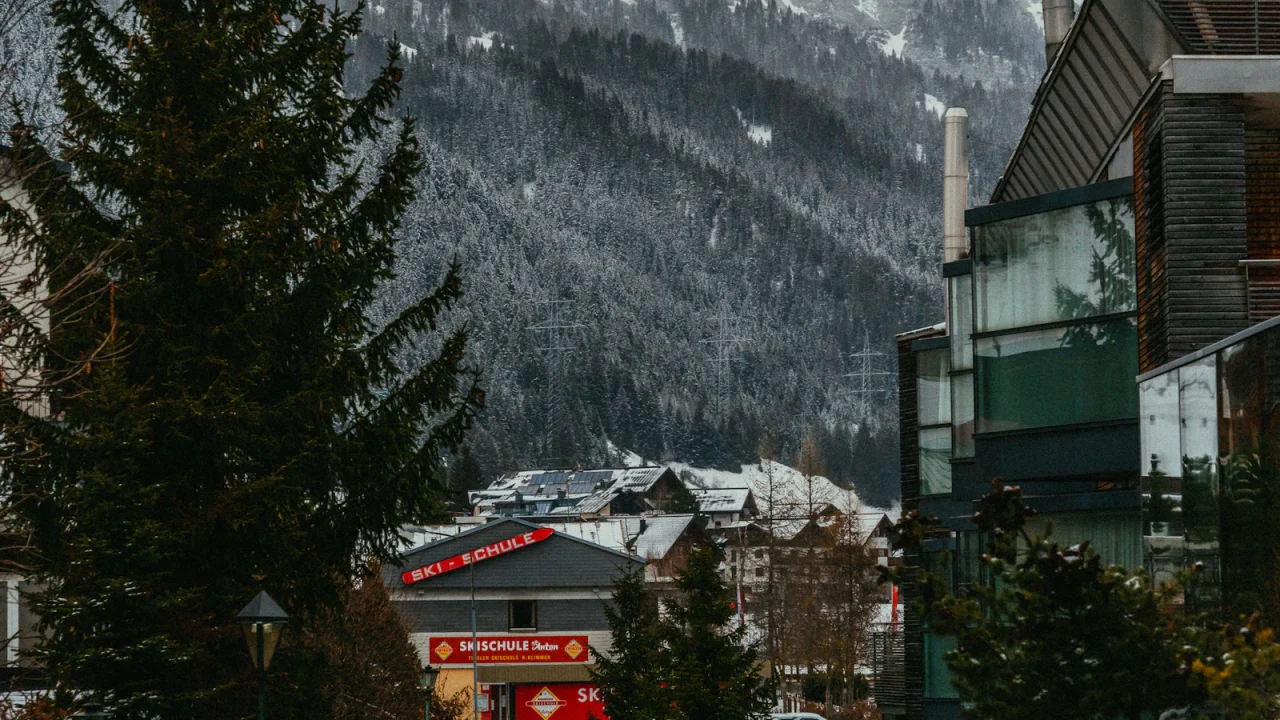
Austria does winter with confidence. Its tourism board counts about 400 ski resorts and more than 2,500 cable cars and lifts, and the country has built a culture around them: mountain huts with wooden tables, a long après-ski tradition, and dozens of ski schools in every valley. For snowboarders, it also means a lot of modern chairlifts and gondolas, some of the Alps’ best-known terrain parks, and glacier areas that open early.
This guide covers the regions and resorts worth knowing, the typical season (with 2026–27 scheduled dates), how to get there, a few published prices and the rules and customs that matter for riders. Dates and prices are labeled with the season and currency, so please check the official source before you book.
Why snowboard in Austria
Start with the lifts. Austria’s tourism board notes that St. Anton’s lift network includes many gondolas and chairlifts, which are more comfortable for snowboarders than drag lifts, and the same modern-lift approach runs through the big areas. More than 75 percent of Austria’s pistes can be covered with artificial snow, which helps with early-season reliability, and seven glacier ski areas extend the calendar at both ends.
Then there is the culture. Austria has roughly 1,000 mountain huts and lodges open in winter, and the tourism board describes them as places where you share long wooden tables, eat dishes such as Käsespätzle and Kaiserschmarren, and are expected to try local schnapps at least once. Après-ski style varies by region, from lounging with wine to dancing until late. If that sounds like your idea of a ski week, Austria is a good fit.
It is also a good choice for riders who want infrastructure around the riding: the country has 707 ski schools and about 18,000 instructors, according to the tourism board. For a wider comparison with other Alpine countries, see our best snowboarding destinations in the world roundup.
Main regions and best-known resorts
| Region | Best-known areas | What stands out for riders |
|---|---|---|
| Tyrol | St. Anton/Ski Arlberg, Sölden, Ischgl, Kitzbühel, SkiWelt, Serfaus-Fiss-Ladis, Hintertux | Tyrol has more than 80 ski areas. Ski Arlberg is the largest (about 300 km); St. Anton has a freestyle park; Sölden has the AREA 47 Snow Park and freeride checkpoints |
| Salzburgerland | Ski amadé, Skicircus Saalbach Hinterglemm Leogang Fieberbrunn, Zell am See-Kaprun | Ski amadé links 25 resorts (760 km, 270 lifts, 10 snow parks); Leogang has the Nitro Snow Park; Kaprun has the Kitzsteinhorn glacier |
| Vorarlberg | Lech Zürs, Silvretta Montafon, Kleinwalsertal | Montafon Snow Park has roughly 40 obstacles; Lech has a snow park with a pro line; Crystal Ground in Kleinwalsertal changes its setups often |
| Carinthia | Nassfeld, Katschberg, Mölltal glacier | Wide slopes for carving and fun parks for freestylers |
| Styria | Schladming-Dachstein | 230 km across seven ski mountains and 77 lifts |
Tyrol and the Arlberg
The Arlberg is the country’s largest ski area at about 300 km of pistes and 85 lifts, spanning St. Anton, Lech Zürs and Warth-Schröcken. St. Anton’s STANTON Freestyle Park has kickers, rails and boxes for different levels, and our St. Anton snowboarding guide covers the resort in detail. Elsewhere in Tyrol, Ischgl has about 239 km, Kitzbühel about 181 km, and SkiWelt Wilder Kaiser-Brixental more than 275 km. Sölden is described as having a party scene plus off-piste powder, with freeride checkpoints on the Giggijoch and Gaislachkogl that provide weather and avalanche information.
Salzburgerland
Ski amadé is a network of 25 resorts in five regions, about 60 km from Salzburg city. Saalbach and its neighbors form the Skicircus with about 270 km of runs, and a combined card adds Zell am See-Kaprun and the Kitzsteinhorn glacier for a stated total of 408 km. Zell am See-Kaprun has several snow parks and a half-pipe.
Beyond the headline names
For quieter options, Carinthia’s Nassfeld and Katschberg are recommended by the tourism board for wide carving slopes and fun parks, and Schladming-Dachstein in Styria offers a large, hut-rich area.
When to go
Austria’s tourism board says the ski season typically runs from November to early May in the highest resorts. Glacier areas open earliest. Here are the scheduled 2026–27 dates published by the Austrian National Tourist Office (all depend on snow and weather):
| Area | Scheduled opening | Scheduled closing |
|---|---|---|
| Hintertux Glacier (Zillertal) | Early October 2026 | April 11, 2027 |
| Mölltal Glacier (Carinthia) | October 3, 2026 | May 30, 2027 |
| Kitzsteinhorn (Zell am See-Kaprun) | October 10, 2026 | May 2027 |
| Sölden glaciers | Mid-October 2026 | End of April 2027 |
| Stubai Valley | Mid-October 2026 | Mid-April 2027 |
| Kitzbühel | November 6, 2026 | April 4, 2027 |
| Ischgl | November 26, 2026 | May 2, 2027 |
| Saalbach-Hinterglemm | November 27, 2026 | April 4, 2027 |
| St. Anton am Arlberg | December 2, 2026 | April 18, 2027 |
Hintertux is the only Austrian glacier that offers year-round skiing, according to the tourism board. Christmas, New Year and school-holiday weeks are typically the busiest and most expensive times across the Alps, so riders with flexible dates often look to January or March.
Getting there and getting around
By air. The official Arlberg site lists these airports with approximate road distances to St. Anton: Innsbruck about 100 km, Friedrichshafen about 130 km, Memmingen about 170 km, Munich about 190 km, Zurich about 200 km and Salzburg about 270 km. Innsbruck is the closest, and an Arlberg Express shuttle runs from Zurich Airport to St. Anton and other villages in the area. Salzburg is the natural gateway for the eastern resorts, and Ski amadé is about 60 km from the city.
By rail. St. Anton’s station is in the village center and is served by Railjet and international express trains. Many other Austrian resorts are reached by train plus local bus; check ÖBB timetables for specifics.
Within the big areas you move by lift and ski bus. If you are a newer rider, check the lift map for the kind of lifts you will meet.
Costs overview
Austria offers a wide range, from large premium areas to small family-run hills. The table lists the one 2026–27 day-pass price published by an official source at the time of writing, plus other cost items to check.
| Item | Published figure (EUR) | Source and date |
|---|---|---|
| Ski Arlberg adult 1-day pass, peak (Dec 19, 2026–Apr 2, 2027) | €85.00 | Ski Arlberg, 2026–27 (provisional) |
| Ski Arlberg adult 1-day pass, Dec 2–18, 2026 and Apr 3–18, 2027 | €80.50 | Ski Arlberg, 2026–27 (provisional) |
| Ski amadé (including Schladming-Dachstein and others) | 2026–27 single-day prices were not yet published on the pages checked | Check the Ski amadé online ticket shop |
Ski Arlberg’s page says the prices are provisional and subject to change. Online and early-booking prices are often lower than ticket-office prices, so buy in advance where the resort offers it. Our snowboard holiday cost guide covers the rest of a typical budget, and the tool below helps you build your own.
Tips for snowboarders
- Know the helmet rules. Austria has no nationwide helmet law. Salzburg, Upper Austria, Styria, Lower Austria, Carinthia, Burgenland and Vienna require helmets for children and young people under 15; Tyrol and Vorarlberg do not, though Tyrol’s tourism site advises helmets and most children’s courses require them anyway. Check our helmet buying guide.
- Use the freeride checkpoints. Sölden’s Giggijoch is suited to newer freeriders and Gaislachkogl to experienced riders only, with weather and avalanche information at both checkpoints. Read our snowboard safety tips too.
- Plan the park days. Many Austrian parks are well known, including the STANTON park in St. Anton, AREA 47 in Sölden and Nitro in Leogang. Park layouts change through the season, so check the resort’s site.
- Do the hut lunch. Huts are part of the experience. Pace yourself on the schnapps if you plan to ride in the afternoon.
- Book lessons early in busy weeks. With 707 ski schools nationwide you will find options, but peak weeks fill up.
- Chasing early-season riding? Look to the glacier areas in October and November rather than lower resorts.
See Available Options (opens Amazon search for snowboard helmet in a new tab)
See Available Options (opens Amazon search for padded snowboard travel bag with wheels in a new tab)
Pros and cons of snowboarding in Austria
Pros
- Very large lift network with many gondolas and chairlifts
- Glacier areas open from October
- Strong park scene in several regions
- Hut and après-ski culture that is part of the appeal
- Good rail and air access, with several gateway airports
Cons
- Peak weeks are busy and pricey at the big-name resorts
- Some of the most famous party spots are loud and not for everyone
- Airport distances can be long for the western resorts
- Helmet rules differ by province, which can confuse visitors
- Snowmaking helps, but lower-altitude resorts are more exposed to warm spells
Frequently asked questions
What is the best part of Austria for snowboarders?
It depends on what you want. The Arlberg (St. Anton, Lech Zürs) is the biggest and has strong freeride and park options. Sölden pairs a glacier with freeride checkpoints and a park, while Saalbach and Leogang are known for the Skicircus and Nitro park, and Montafon for its terrain park.
When does the ski season start in Austria?
Glacier areas such as Hintertux, Mölltal and Kitzsteinhorn schedule openings in early to mid-October. Kitzbühel is scheduled to open on November 6, 2026, and St. Anton on December 2, 2026.
Which airport is best for St. Anton?
Innsbruck is the closest, about 100 km by road. Zurich, Munich and Friedrichshafen are also used. See our St. Anton guide for transfer detail.
Do I need a helmet in Austria?
Not by law for adults. Several provinces require helmets for children under 15, while Tyrol and Vorarlberg do not, though helmets are widely recommended and many children’s ski-school courses require them.
Can I snowboard in Austria in October?
On glaciers, yes: Hintertux, Mölltal, Kitzsteinhorn, Sölden and Stubai all schedule autumn openings for 2026–27, snow permitting.
Is Austria good for beginners?
Many areas offer gentle terrain and an extensive ski-school network. For comparisons, see best snowboarding destinations for beginners.
Keep planning
Sources and further reading
- 12 facts about winter in Austria — Austrian National Tourist Office
- The 10 largest ski areas in Austria — Austrian National Tourist Office
- The best places for snowboarding in Austria — Austrian National Tourist Office
- Winter openings in Austria 2026–27 — Austrian National Tourist Office
- Mountain huts in Austria — Austrian National Tourist Office
- Ski pass prices — Ski Arlberg
- Arrival to St. Anton am Arlberg — Arlberg tourism
- Do you have to wear a helmet by law when skiing in Austria? — The Local