Snowboard Trip Packing List: Gear, Clothing, Safety and Documents
A practical snowboard trip packing list in five groups: equipment, clothing, safety gear, travel documents and personal essentials, with carry-on tips and a checklist tool.
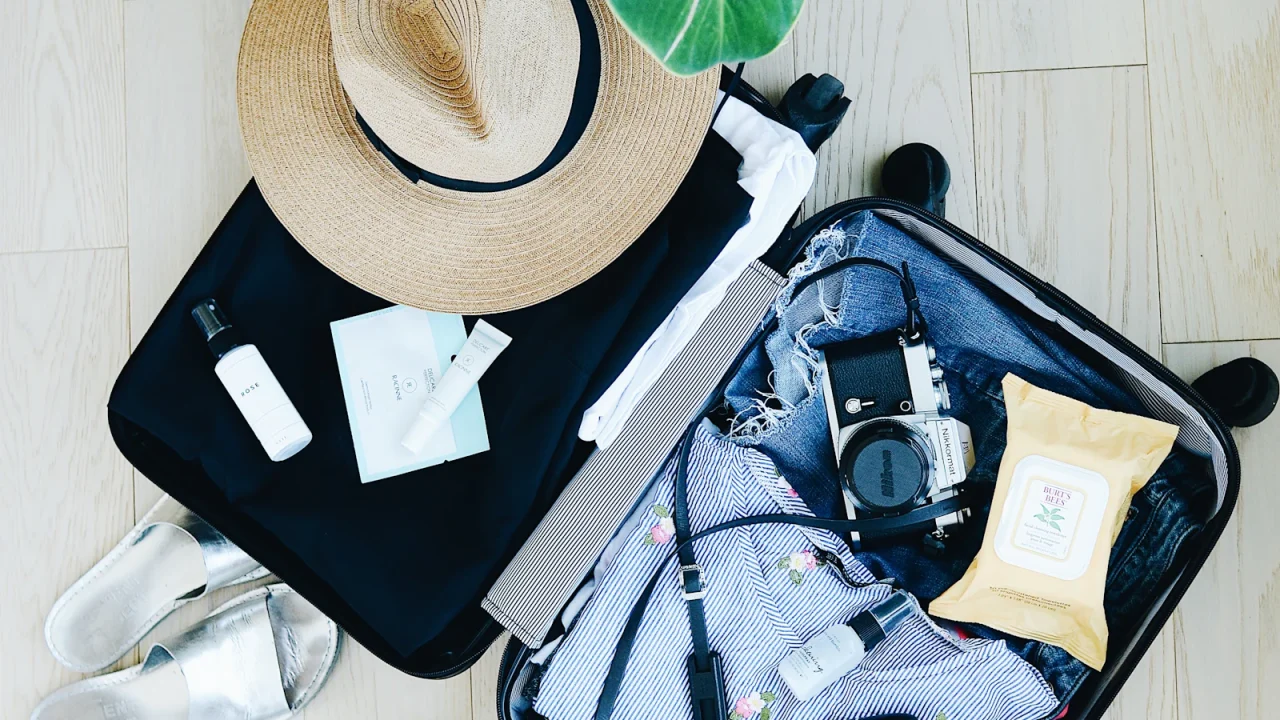
The easiest way to ruin the first morning of a snowboard trip is to discover that the one thing you need is sitting at home, or in a checked bag that has not arrived. A packing list helps you avoid both problems.
This snowboard trip packing list is organized into five groups: snowboard equipment, clothing, safety equipment, travel documents and personal essentials. It also flags what is worth keeping in your carry-on and which items have airline or airport rules attached. Use it as a starting point, then adjust for your destination, your experience level and what you plan to rent on arrival.
Snowboard equipment
If you are bringing your own gear, this is the category to plan around your airline’s baggage rules. See how to fly with a snowboard and how to pack a snowboard bag for the details.
- Snowboard, with bindings attached or packed separately
- Snowboard boots
- Padded board bag, plus a boot bag if your airline counts it with the board
- Small tool for adjusting bindings, packed in checked baggage unless you have confirmed it is allowed in carry-on
- Spare binding screws and hardware in a sealed bag
- Luggage tags, and optionally a TSA-approved lock and a tracker
- Wax or tuning supplies, if you travel with them. WestJet, for example, says wax must be non-flammable and does not accept butane or torches used to remove wax.
Clothing
Resort weather can swing from sunny to stormy in a day, so most packing guides build outfits from layers you can add or remove. Our guide on what to wear snowboarding goes into fabrics and fit. As a starting point:
- Base layers (tops and bottoms)
- Insulating mid layer, such as a fleece or light puffy
- Waterproof, breathable jacket and pants
- Warm socks, with a spare pair or two
- Gloves or mittens, plus a spare pair if you can
- Beanie or helmet liner and a neck gaiter or face covering
- Après outfit and warm, waterproof footwear for walking around town
- Swimwear, if your lodging or town has a pool, sauna or hot tub
Packing cubes or stuff sacks make layers easier to find and compress. Burton mentions them as a way to save space and stay organized.
See Available Options (opens Amazon search for packing cubes for travel in a new tab)Safety equipment
- Helmet. The National Ski Areas Association (NSAA) encourages helmet use and reports that helmet use among skiers and riders rose from 25% in 2002–03 to 90% in 2023–24. It also stresses that riding in control matters at least as much as equipment. See our helmet guide.
- Goggles, ideally with a lens suited to the light conditions you expect. See our goggle guide. Some riders pack a spare lens or a second pair.
- Sunscreen and lip balm. The American Academy of Dermatology advises choosing a sunscreen that is broad-spectrum, SPF 30 or higher and water resistant.
- Optional protective extras, such as wrist guards or padded shorts. Some riders choose them. Ask your instructor or rental shop for their view.
- A small first-aid kit, including any personal medication and blister care.
- Backcountry safety gear (transceiver, probe, shovel, airbag pack) only if you have the training to use it. Burton advises removing batteries from transceivers and similar devices, emptying compressed air or CO2 cylinders, and carrying small valuable items in your carry-on. Airline and airport rules for these items are specific, so confirm them in advance.
For on-snow habits and risks, read our snowboard safety tips.
Travel documents
- Passport, with any visa or electronic travel authorization your destination requires. Entry rules vary by nationality and country; for example, Canada uses an eTA for eligible visitors and the United States uses ESTA for visa-waiver travelers. Check the destination government’s official site.
- ID for domestic flights. In the U.S., TSA says that from May 7, 2025 travelers need a REAL ID-compliant license or ID to board domestic flights, or they can use a passport.
- Travel insurance details, including the policy number and the emergency assistance phone number. See snowboard travel insurance: what to check.
- Bookings: flight, lodging, transfer, rental, lesson and lift pass confirmations, saved offline.
- Payment cards and some local currency, with your bank notified if needed.
- Baggage claim tags and photos of your packed bags. Burton suggests photographing bags before check-in in case you need to make a damage claim.
- Prescriptions in their original packaging, and a note of emergency contacts.
Personal essentials
- Medications and any prescriptions you need
- Toiletries and a small towel
- Phone, charger and the right plug adapter for your destination
- A power bank or spare lithium batteries for devices. The FAA says spare lithium batteries must go in carry-on baggage rather than checked bags.
- Reusable water bottle and snacks
- A small daypack for the mountain
- Earplugs or an eye mask if you are a light sleeper
What to keep in your carry-on
| Keep with you | Why |
|---|---|
| Passport, ID, insurance details, booking confirmations | You will need them before you see your bags |
| Phone, chargers, power banks and spare lithium batteries | The FAA says spare lithium batteries belong in carry-on baggage |
| Medications and valuables | Hard to replace if a bag is delayed |
| Boots, helmet and goggles (if you want a backup plan) | Travelpro suggests this if you are worried about delayed bags |
| A change of base layers and socks | A practical hedge against a late bag (our suggestion, not an airline rule) |
Beginners: what to bring and what to rent
If this is your first trip, you do not have to own everything on this list. Rental shops typically offer boards and bindings, and many offer boots and helmets too; Mt. Baker, for example, says its rental snowboard packages include the snowboard, bindings and boots. Check what each package includes, then bring the clothing, goggles and gloves you already own.
Boots deserve the most thought. A pair that fits well stays comfortable all day, and bringing your own means you control that fit. We cover the trade-offs in rent or bring your own snowboard.
Frequently asked questions
What should a first-timer pack for a snowboard trip?
Clothing layers, gloves, goggles, sunscreen, travel documents and personal essentials. Rental shops typically offer the board and bindings, and many offer boots and helmets, so check what your rental package includes before deciding what to bring.
Which items should go in the carry-on?
Documents, electronics, chargers, power banks and spare lithium batteries, medication and valuables. If you want a backup plan for delayed bags, add boots, helmet and goggles.
Can I bring a binding tool or multitool in my carry-on?
Security rules for tools are restrictive and can vary by country. The safest approach is to pack tools in checked baggage and check the security authority’s guidance before you put one in your carry-on.
Do I need to pack my own helmet?
That is your choice. Some rental shops offer helmets with a package or as an add-on, so ask yours. If you ride often, a helmet that you have already adjusted to fit is a common item to bring.
How much should my packed bag weigh?
That depends on the airline. Delta and JetBlue both start excess-weight charges at 50 lb (23 kg), so weigh your packed bags at home. See our flying guide for airline details.
Sources and further reading
- How to fly with a snowboard — Burton
- Travel hacks for flying with your skis or snowboard — Travelpro
- Golf clubs, bicycles, sporting equipment — WestJet
- Sporting equipment (ski and snowboard) — Delta Air Lines
- Contract of Carriage (revision dated April 17, 2026) — JetBlue Airways
- Rentals — Mt. Baker Ski Area
- Helmet safety — National Ski Areas Association
- How to select a sunscreen — American Academy of Dermatology
- REAL ID — Transportation Security Administration
- PackSafe: lithium batteries — Federal Aviation Administration
- Electronic Travel Authorization (eTA) — Government of Canada
- Electronic System for Travel Authorization (ESTA) — U.S. Customs and Border Protection