Snowboarding in Japan: Regions, Resorts, Season and Trip Planning
A country overview for riders: Japan's main snow regions and best-known resorts, the typical season, how to get there, what it costs and the local rules that matter.
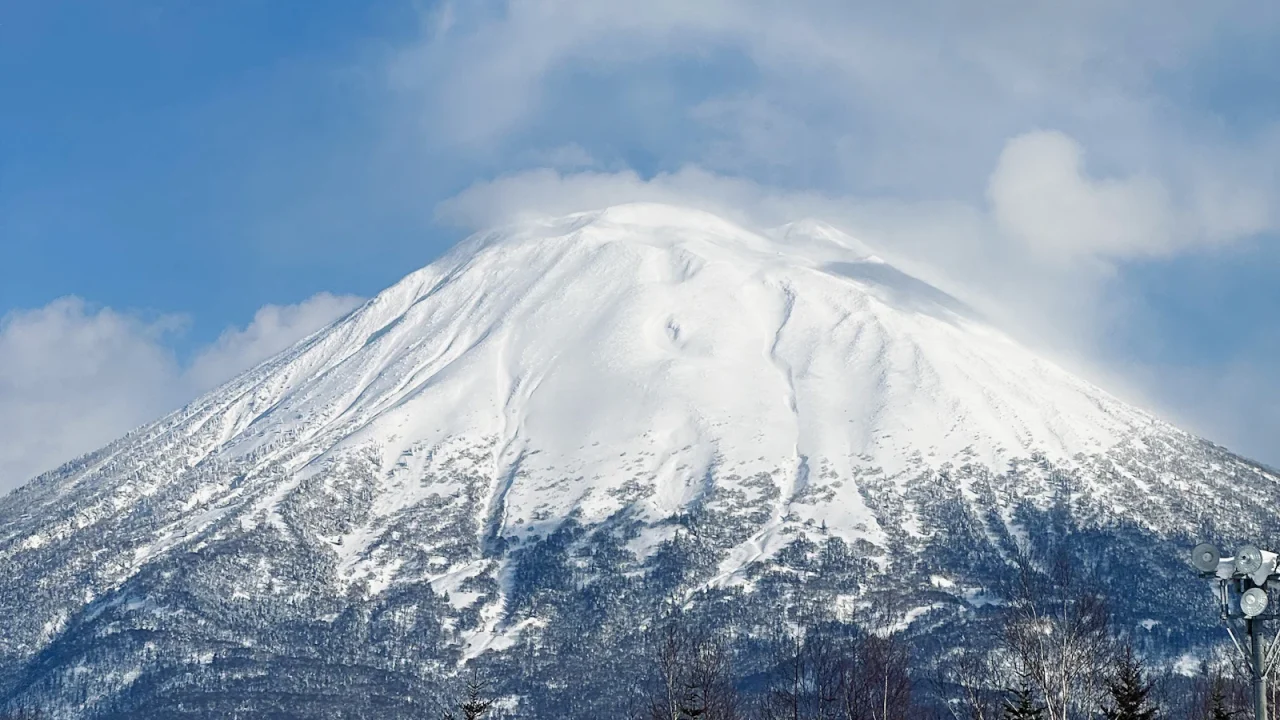
Japan’s snow reputation arrives long before you do: deep powder, forest runs and a steaming hot spring waiting at the end of the day. Some of that is marketing, but there is real substance behind it. Japan’s national tourism organization describes the country as world-famous for powder snow, with cold winds crossing the Sea of Japan delivering some of the heaviest snowfall anywhere.
This guide is an overview of the whole country: the main snow regions, the best-known resorts, when the season typically runs, how to get around, what the main costs look like, and the local rules that catch first-time visitors out. It is built from official tourism and resort sources, and where prices or dates appear they are labeled with the season and currency so you can check them before you book.
Why snowboard in Japan
Snowboarders are well served here. The Japan National Tourism Organization (JNTO) points to wide runs, ungroomed slopes and heavy winter snowfall as the reasons Japan works well for riders, and says nearly all resorts let snowboarders ride and have facilities for them. If deep snow and open glades are what you are after, Japan belongs near the top of your list. Our guide to the best powder snowboarding destinations puts it alongside other contenders, and how to snowboard in powder covers the technique side.
The other draw is everything around the riding. Small hot-spring towns are a traditional alternative to nightlife, and JNTO suggests day trips such as the snow monkeys at Yudanaka Onsen as a rest-day idea while based in the Japan Alps. Zao Onsen in Tohoku is known for its “snow monsters,” trees coated in rime and snow.
It is worth setting expectations honestly. Powder is a tendency, not a promise. January and February are the most reliable months, and any single week can bring warm weather or a quiet storm cycle. If you are weighing Japan against North America, our Japan vs. Canada comparison lays out the trade-offs.
Main regions and best-known resorts
Japan has hundreds of ski areas, so it helps to think in regions. The resorts below are the best-known ones named by JNTO and the resorts’ own sites.
| Region | Best-known resorts | What stands out |
|---|---|---|
| Hokkaido | Niseko, Rusutsu, Furano, Sapporo Teine, Tomamu | Niseko is the largest and most developed resort in Japan; Rusutsu is noted for its lift infrastructure; Sapporo Teine is under an hour from Sapporo |
| Nagano (Japan Alps) | Hakuba Valley, Nozawa Onsen, Shiga Kogen | Hakuba hosted events at the 1998 Winter Olympics and has 10 resorts; Nozawa Onsen is an onsen town with off-piste terrain |
| Niigata, Gunma and central Honshu | Gala Yuzawa, Kagura, Myoko Kogen | Gala Yuzawa and Kagura are close enough to Tokyo for day trips; Myoko Kogen is noted for off-piste riding |
| Tohoku | Zao Onsen, Appi Kogen | Zao is known for its snow monsters; Appi Kogen offers group snowboard lessons in English |
Hokkaido
The northern island is where most international visitors start. Niseko United links four resorts (Grand Hirafu, Hanazono, Niseko Village and Annupuri) under one all-mountain pass, and JNTO notes it has the most English-speaking services in the country. Heli-skiing is offered on Mt. Shiribetsu, north of Rusutsu, and cat skiing operates at Niseko and Tomamu. Read the full Niseko snowboarding guide for terrain, lodging areas and passes.
Nagano and the Japan Alps
Hakuba Valley groups ten resorts under one valley-wide pass, and its own site says the Hokuriku Shinkansen plus an express bus can get you there from Tokyo in as little as 2 hours 50 minutes. Shiga Kogen and Nozawa Onsen are also in the Northern Alps. Start with our Hakuba snowboarding guide.
Closer to Tokyo and in Tohoku
If your itinerary is tight, Gala Yuzawa in Niigata has a gondola that connects directly to its train station, and Kagura is reached by Shinkansen to Jomo Kogen Station. Further north, Zao Onsen is a Shinkansen ride followed by a local bus from Yamagata Station.
When to go
JNTO describes the season as generally running from December to April, depending on the resort, with Hokkaido and higher-altitude areas in Nagano tending to get snow earlier. January and February are the months with the most consistent snowfall. March can be snowy but brings more warm spells, and the Christmas/New Year holidays and early February are the busiest weeks.
For 2026–27, Niseko United’s official price page lists an early season starting November 28, 2026, and a final-season period running to May 5, 2027. Hakuba Valley says its 2026–27 pass runs from the scheduled resort openings in December to scheduled closings around early May 2027. These are scheduled dates only.
Getting there and getting around
Hokkaido. Most riders fly into New Chitose Airport (CTS) near Sapporo. According to Niseko United’s official access page (as listed in November 2026), the main options to Niseko are a direct bus of about 2.5 hours that must be booked (listed at about ¥6,000), a train plus local bus of about 3 hours (about ¥6,200), a rental car of about 2 hours, or a private transfer of about 2 hours (from about ¥25,000). JNTO quotes the direct bus as about 3 hours, so treat all times as approximate and allow for winter road conditions.
Honshu. Tokyo’s airports are the usual gateways for Nagano, Niigata and Tohoku. The Shinkansen network reaches several resorts directly or with a short bus connection, as described above. In Hakuba, a Hakuba Valley shuttle bus connects the resorts, which makes it practical to sample more than one mountain.
Planning a first trip? Our guide to flying with a snowboard covers airline baggage basics.
Costs overview
Japan can be good value or surprisingly pricey depending on where you ride. The table shows published figures only; everything else is best checked with the resort or your accommodation.
| Item | Published figure (JPY) | Source and date |
|---|---|---|
| Niseko United adult All Mountain 1-day pass, peak (Dec 24, 2026–Feb 28, 2027) | ¥13,500 | Niseko United, 2026–27 season |
| Niseko United adult All Mountain 1-day pass, regular (Dec 12–23, 2026 and Mar 1–22, 2027) | ¥12,600 | Niseko United, 2026–27 season |
| Niseko United adult 1-day pass, early season (Nov 28–Dec 11, 2026) and spring (Mar 23–Apr 4, 2027) | ¥8,800 (not sold online) | Niseko United, 2026–27 season |
| Airport bus, New Chitose to Niseko | About ¥6,000 | Niseko United access page, November 2026 |
| Equipment rental, full set | From about ¥3,300 per set | JNTO skiing guide (undated) |
JNTO’s general guidance quotes a much lower “typical” day-ticket range (about ¥3,500 to ¥5,000, undated), so major international-facing resorts like Niseko can sit well above it. Treat national averages cautiously and check the resort you plan to ride. Passes also vary by who buys them: Hakuba Valley’s season pass prices for 2026–27 are listed for domestic residents only, so visitors should look at the day and multi-day tickets on the official ticket page instead.
If you already own a multi-resort pass, check it first. Niseko United is listed on the Ikon Pass, with day allowances that depend on the pass type. Hakuba Valley is covered by several Epic passes for five consecutive days at its 10 resorts, redeemed at a Hakuba Valley ticket window with your physical card and photo ID. Terms change each season, so confirm on the pass provider’s site.
Use our snowboard holiday cost guide for the wider picture, and the budget calculator below to build your own numbers.
Tips for snowboarders
- Leashes are mandatory in Hakuba Valley. The valley’s safety page requires one, says the owner is liable if a loose board injures someone or causes damage, and prohibits riding a board sitting down like a sled.
- Check for restricted zones. JNTO advises checking whether a resort has off-limits areas for snowboarders before you go, even though nearly all resorts allow boards.
- Treat backcountry gates seriously. The Niseko Rules require using the designated gates, forbid ducking boundary ropes, and ban backcountry riding when gates are closed. A helmet and avalanche beacon are required for backcountry riding, and a probe and shovel are strongly recommended. In Hakuba Valley, backcountry access is allowed only through designated gates at five resorts and is prohibited from several others, and a registration form is needed before buying tickets.
- Off-piste can be costly. JNTO notes that where off-piste riding is permitted it is at your own risk, with evacuation costs charged to you, and that Shiga Kogen can confiscate a lift pass for going off-piste. See our snowboard travel insurance guide before you decide what cover you need.
- Language. English support is strongest in Niseko. Elsewhere it is patchier, and JNTO says childcare is mostly offered only in Japanese. In peak season, book English-speaking instructors early.
- Rentals. Rental shops sit near the main lifts and gondolas, and booking is usually not necessary, though riders with large feet should check size availability in advance.
- Soak afterward. Many resorts are near natural hot springs. Follow each bathhouse’s own rules and etiquette.
Hakuba’s leash rule is a good reason to pack one if you will ride there, and a padded wheeled bag makes airport and train transfers easier.
See Available Options (opens Amazon search for snowboard leash in a new tab)
See Available Options (opens Amazon search for padded snowboard travel bag with wheels in a new tab)
Pros and cons of snowboarding in Japan
Pros
- Reputation for heavy snowfall and powder, with the most consistent snow in January and February
- Variety, from Hokkaido’s big international resorts to small hot-spring towns
- Nearly all resorts welcome snowboarders
- Strong English support at Niseko
- Onsen culture adds a rest-day option you will not find in most other destinations
Cons
- Long-haul travel and a transfer on top of the flight
- Peak weeks are busy and pricey, especially in Niseko
- Off-piste rules are strict and rescue costs fall on you
- Outside the main international resorts, English can be limited
- Snow is variable: warm spells and lean weeks do happen
Frequently asked questions
What is the best time to snowboard in Japan?
JNTO points to January and February as the months with the most consistent snowfall. March can bring snow too but also warm spells. Christmas/New Year and early February are the busiest and most expensive periods, so mid-January can be a calmer pick.
Can you snowboard at every ski resort in Japan?
Nearly all of them. JNTO says nearly all resorts let snowboarders ride and have facilities for them, but it recommends checking whether a particular resort has off-limits areas for boards before you go.
Which airport should I use for Niseko?
New Chitose Airport (CTS) is the main gateway. Niseko United’s access page lists a direct bus of about 2.5 hours, a train and local bus option of about 3 hours, rental cars and private transfers; times are approximate.
Can I use an Epic or Ikon Pass in Japan?
Yes, at selected resorts. Several Epic passes include five consecutive days at the 10 resorts of Hakuba Valley, and Niseko United is listed on the Ikon Pass, with day allowances depending on the pass. Check the provider’s current terms.
Do I need to bring my own gear?
No. Rental shops are usually located near the main lifts and gondolas, and full sets are the more economical option according to JNTO.
Is off-piste riding allowed?
It depends on the resort. Niseko and Hakuba Valley both allow backcountry access only through designated gates and under their rules. Shiga Kogen enforces strict off-piste rules. Always check the local rules, avalanche information and your insurance first.
Keep planning
Sources and further reading
- Skiing and snowboarding in Japan — Japan National Tourism Organization (JNTO)
- Lift ticket prices, 2026–27 — Niseko United
- All Mountain Season Pass — Niseko United
- Getting to Niseko — Niseko United
- Niseko Rules — Niseko United
- Access — Hakuba Valley
- Season Pass — Hakuba Valley
- Safety tips — Hakuba Valley
- Hakuba Valley — Epic Pass
- Niseko United — Ikon Pass