Snowboard Travel Insurance: What to Check Before You Go
A general checklist of what to look for in snowboard travel insurance: winter-sports cover, off-piste definitions, equipment, rescue and medical limits, and helmet clauses. Not advice.
Snowboard travel insurance is one of those topics that feels optional until it matters. Mountain injuries, rescue transport, delayed bags and canceled flights can add up quickly, and a standard travel policy may not treat snowboarding the way you assume.
This article is a checklist of what to look for in a policy, based on guidance from consumer and government sources. It does not recommend any insurer or product.
Why the details matter
There are two reasons to read the fine print rather than just ticking a box at checkout.
- Winter sports are often an add-on. GOV.UK says winter sports are not usually included in standard travel insurance policies and that you may need specialist cover or an add-on. Which?, a UK consumer organization, notes that snowboarding, sledging, park skiing and similar activities may need specific cover.
- Your health coverage may not follow you. The U.S. National Association of Insurance Commissioners (NAIC) says standard health plans and Medicare often don’t cover care overseas, and that most U.S. health insurers don’t pay for overseas transport or return home. In the UK, the GHIC and EHIC cards give access to state healthcare in some countries but, per GOV.UK and the NHS, do not cover private care, repatriation or mountain rescue in ski resorts.
The sources in this article are mostly from the U.S. and the UK. Rules, terminology and consumer protections vary elsewhere.
What to check in a winter-sports policy
Is snowboarding actually named?
Do not assume “winter sports” covers everything on the mountain. Check that snowboarding is listed, and whether terrain parks or any other activity you plan are treated differently. Also confirm the policy applies in every country you will visit and for the full length of your trip.
Off-piste and backcountry
Definitions matter more than headlines. Which? says that skiing slightly beyond marked runs can still count as off-piste, and that off-piste cover often requires a qualified guide and safety gear such as avalanche equipment. The NAIC lists risky activities such as backcountry skiing among common exclusions. If you plan to ride powder away from groomed runs, read the definition closely and see our guide to how to snowboard in powder.
Medical, rescue and evacuation
Look for these items explicitly:
- Emergency medical treatment, with the overall limit shown
- Mountain rescue and the transport that follows it. GOV.UK points out that emergency transport such as an ambulance is often charged separately from other medical costs.
- Emergency travel home on medical grounds, which GOV.UK describes as potentially expensive
- Medical evacuation to a suitable facility, a coverage type the NAIC lists separately from general medical cover
Equipment cover
Check whether the policy covers your own gear, rental gear or both, and what the limits are for theft, damage and delay. Which? advises checking whether owned or hired equipment is covered and, when setting limits, keeping them close to the actual value of your kit. Items left in plain sight or unattended may not be covered if lost or stolen.
Also look at what you may already have. The NAIC suggests checking whether homeowners or credit card coverage already protects some losses, and notes that homeowners policies generally cover personal items such as ski gear up to a stated limit. For airline-side liability limits, see how to fly with a snowboard.
Helmet and safety-gear clauses
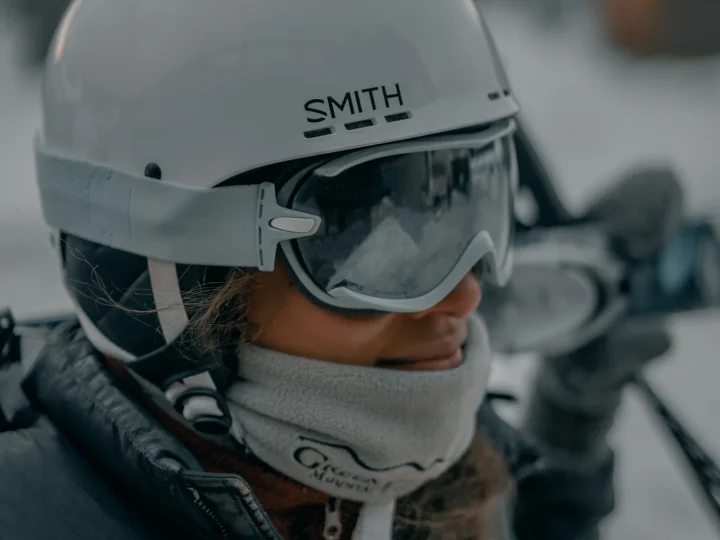
Which? says policies may require helmets where laws or resort rules apply, especially for children, and that ignoring this could be argued as a failure to take reasonable precautions. Which? also reports that the British Insurance Brokers’ Association recommends wearing a helmet and goggles even where local law does not require it. Read any clause about protective equipment and follow resort rules. Our snowboard safety tips cover on-snow habits.
Conduct conditions that can affect a claim
Which? lists several issues that can undermine a claim:
- Injuries while under the influence of alcohol or drugs
- Riding closed runs or ignoring warnings, even if the hazard did not cause the injury
- Not declaring a pre-existing medical condition
- Delaying medical care or notifying the insurer late
Both GOV.UK and the NAIC list pre-existing conditions as an area to handle carefully. GOV.UK says to declare existing conditions, pending treatment and tests, because failure to do so may invalidate cover.
Trip cancellation, lift passes and closures
Which? suggests checking that the policy covers the ski pass and piste closure, as well as a cancellation limit that matches the cost of your holiday. The NAIC describes trip cancellation as the most popular type of travel insurance and flags a “cancel for any reason” option that typically requires buying early and can raise the total cost by about half. See snowboard holiday cost for how insurance fits into a budget.
Single trip or annual
Which? notes that annual cover can be more economical if you take several trips a year, but you should check whether winter sports cover is included or must be added.
A quick comparison checklist
| Check | Question to ask |
|---|---|
| Activity | Is snowboarding listed, including parks and jumps? |
| Off-piste | How is it defined, and is a guide or safety gear required? |
| Medical | What is the medical limit, and are transport and repatriation included? |
| Rescue | Is mountain rescue explicitly listed? |
| Equipment | Are owned and rented items covered, and what are the limits? |
| Helmets | Are there protective-gear conditions? |
| Conditions | Do alcohol, closures or late reporting affect claims? |
| Declarations | Have you declared every existing condition? |
| Extras | Are lift pass, piste closure and cancellation cover included? |
What does it cost?
The NAIC says travel insurance policies generally cost about 5% to 10% of the trip price, depending on factors such as season, destination and age. That is a general figure for travel insurance, not a quote for winter-sports cover, which may differ. Treat it as a planning range only, and compare the actual quotes for your trip.
Before you buy
- Write down your plans: destination, dates, activities, gear, and whether you will leave groomed runs.
- Check what existing coverage you have, such as credit card benefits or homeowners or renters insurance.
- Read the exclusions as closely as the benefits, as the NAIC advises.
- Declare medical conditions accurately.
- Keep the policy number and emergency contact numbers with you, saved offline. See the snowboard trip packing list.
- If something is unclear, ask the insurer or broker in writing. Your state insurance department can help with questions in the U.S.
Frequently asked questions
Does standard travel insurance cover snowboarding?
Not always. GOV.UK says winter sports are not usually included in standard policies, and Which? says snowboarding may need specific cover. Check that your policy names the activity.
Does the GHIC or EHIC cover mountain rescue?
No. GOV.UK and the NHS say these cards do not cover private healthcare, repatriation or mountain rescue in ski resorts, and are not a substitute for travel insurance.
Is off-piste riding covered?
It depends on the policy. Which? says off-piste cover often requires a qualified guide and safety gear, and the NAIC lists backcountry skiing among common exclusions. Read the definition and conditions.
Do I need to wear a helmet for insurance purposes?
Which? says policies may require helmets where laws or resort rules apply, especially for children. Check your policy and follow resort rules.
Is my board covered when it flies?
Possibly under the airline’s liability rules, your travel insurance or other cover, each with limits. Federal rules in the U.S. set a minimum for airline liability on domestic flights, and the Department of Transportation suggests insurance or excess valuation if your bag’s value exceeds it. See our flying guide for details.
Sources and further reading
- Foreign travel insurance — GOV.UK
- Applying for healthcare cover abroad (GHIC and EHIC) — NHS
- 7 mistakes that could invalidate your winter sports travel insurance — Which? (February 6, 2026)
- Ski travel insurance: 4 dos and 4 don’ts — Which? (January 22, 2024)
- Travel insurance — National Association of Insurance Commissioners
- Insuring your winter vacation experience — National Association of Insurance Commissioners
- Lost, delayed, or damaged baggage — U.S. Department of Transportation