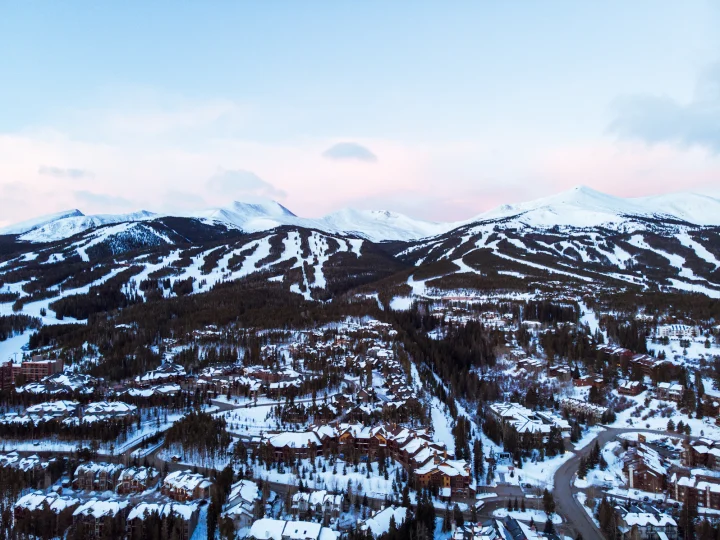
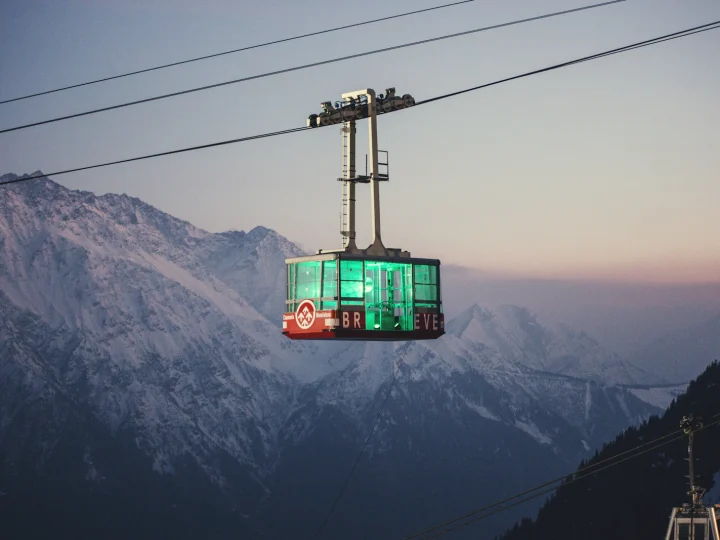
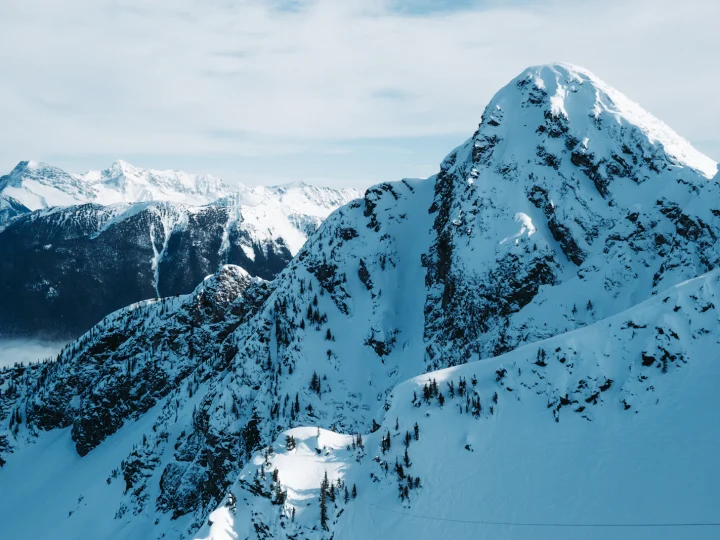
Niseko Snowboarding Guide: Powder, Trees and Trip Planning
Four linked resorts on one Hokkaido mountain, deep powder and a lively village scene. Here is how to reach Niseko, what the terrain offers, 2026–27 lift prices and a realistic budget.
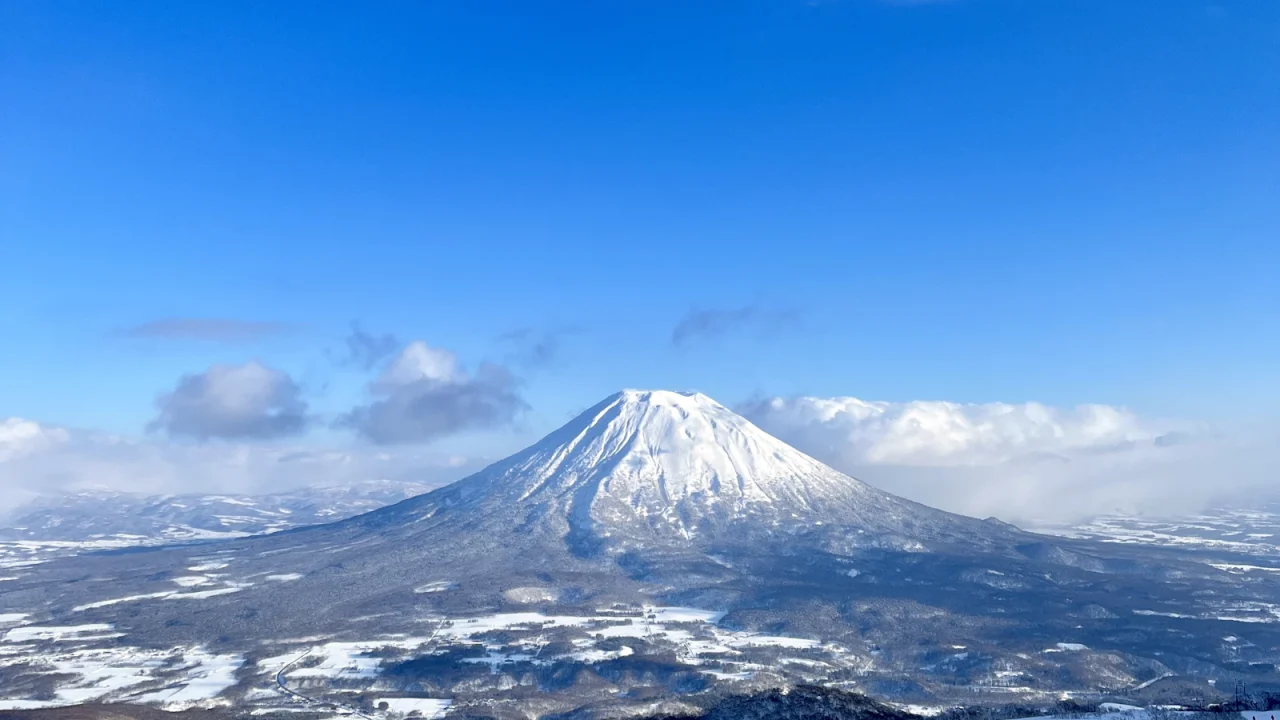
Niseko is the name most snowboarders reach for when they picture Japanese powder. It sits on the northern island of Hokkaido, where cold winter air picks up moisture over the Sea of Japan and drops it on the mountains as snow that the official Niseko United site calls some of the driest, lightest powder in the world.
The ski area is called Niseko United: four resorts that share one mountain, Mt. Annupuri, and one lift ticket. That structure is what makes Niseko such a good fit for snowboarders. You can move between wide groomers, tree runs and gated off-piste zones without leaving the pass, and then finish the day in a village with plenty of places to eat. This guide covers how to get there, what the terrain is like, when to go, what the 2026–27 lift tickets cost and how to plan a realistic budget.
Location and getting there
Niseko is about 100 kilometers (60 miles) south of Sapporo, inside the Niseko-Shakotan-Otaru Kaigan Quasi-National Park, according to the official Niseko United site. The nearest major airport is New Chitose Airport (CTS) near Sapporo.
Niseko United’s travel page lists direct flights into New Chitose from several Asia-Pacific and North American cities, including Seoul, Taipei, Hong Kong, Bangkok, Sydney, Vancouver and San Francisco, with some routes running in winter only. Most other travelers connect through Tokyo (Narita or Haneda), where the page suggests allowing roughly 2 to 3 hours to change to a domestic flight and about 1 hour 35 minutes to 1 hour 50 minutes in the air to New Chitose.
From New Chitose, you have four main choices. Times and prices below are approximate and come from Niseko United’s travel page, checked in November 2026.
| Option | Approx. travel time | Approx. cost (JPY) | Notes |
|---|---|---|---|
| Direct airport bus | About 2.5 hours | About ¥6,000 | Booking required |
| Train plus local bus | About 3 hours | About ¥6,200 | No booking needed |
| Rental car | About 2 hours | From about ¥8,000 per day | Reservation required; winter driving experience helps |
| Private transfer | About 2 hours | From about ¥25,000 | Reservation required |
The Niseko Village resort says its coach service for winter 2026–27 is operated by Hokkaido Resort Liner or Niseko Snow Express, and that coaches take about 2.5 hours from both New Chitose Airport and Sapporo. JR Hokkaido trains also serve Sapporo, Otaru, Kutchan and Niseko stations. Once you arrive, local shuttles connect the villages; Niseko Village, for example, runs a shuttle between its hotels, Hirafu and Kutchan that is free for in-house guests. Check each operator’s current timetable.
Terrain and riding
Niseko United’s four resorts each have a different personality, and the All Mountain ticket lets you ride them all.
- Grand Hirafu is the largest of the four and, per Burton’s guide, the liveliest village. It has beginner terrain near the base, long intermediate runs and tree riding, plus several terrain parks and access to backcountry gates, according to Burton’s resort guide.
- Hanazono has dedicated beginner learning areas, terrain parks, tree runs and a newer lift and gondola, per Niseko United.
- Niseko Village is described by the resort as known for off-piste powder and some of Niseko’s best and longest trails. Burton’s guide places it toward the intermediate-to-advanced end, with plenty of trees and steeper in-bounds pitches.
- Annupuri is aimed at all abilities, with groomed cruising runs and some off-piste sections. Burton’s guide describes it as mostly beginner and intermediate terrain with a southwest-facing aspect, so it sees more sun than the others.
Published lift and run counts for Niseko United differ noticeably between sources, so no single total is quoted here. The current trail map on the official site is the reliable reference.
Beginners: good. Hanazono and Annupuri both have gentler terrain, and English-language group lessons are offered (see the rental and lessons section). Intermediates: excellent, with long groomed runs and tree runs across the four resorts. Advanced riders: good, particularly on powder days and through the backcountry gates.
Backcountry gates and the Niseko Rules
Niseko’s gates lead to backcountry terrain outside the groomed trails. The official site says the area has had many fatal avalanche accidents, and all resort users must follow a shared set of rules. Per the official Niseko Rules page, riders must use the gates, never duck boundary ropes, wear a helmet and carry an avalanche beacon in backcountry areas, stay out when the gates are closed and never enter off-limits zones. Carrying a probe and shovel is also recommended. Rule breakers can lose their lift pass, and the page notes that rescue in backcountry terrain costs a minimum of ¥100,000. Official avalanche hazard information is published at niseko.nadare.info. If you are new to powder or avalanche terrain, our snowboard safety tips are a sensible starting point, and a local guide is the safer way in.
Night riding
Night skiing and riding is scheduled to run from December 12, 2026 to March 22, 2027, and an all-day ticket stays valid until night riding ends on the ticket’s final day.
When to go
Niseko United’s planned 2026–27 operating dates, which are subject to change, are:
- Annupuri and Grand Hirafu: November 28, 2026 to May 5, 2027
- Hanazono: November 28, 2026 to April 11, 2027
- Niseko Village: November 28, 2026 to April 4, 2027
The official pricing calendar is a handy proxy for how busy each stretch is. Early season runs November 28 to December 11; the regular season covers December 12 to 23 and March 1 to 22; peak season is December 24 to February 28; and spring season runs March 23 to April 4, with a final stretch from April 5 to May 5. The peak window is the most expensive, so riders who care more about value than the deepest part of winter may prefer the regular-season weeks on either side.
Where to stay
Most visitors base themselves in one of the four village areas. Burton’s guide characterizes them like this:
- Grand Hirafu: the liveliest village, with izakayas, bars and live music.
- Hanazono: quieter and family-friendly.
- Niseko Village: upscale, with higher-end restaurants and spa facilities. Niseko Village’s own travel page mentions the Hilton Niseko Village.
- Annupuri: relaxed, with traditional Japanese inns and nearby hot springs.
Accommodation ranges from shared lodge beds and budget private rooms to apartments, hotels and luxury chalets. One third-party cost guide lists typical ranges later in this article. Peak weeks are popular, so book lodging early, and confirm how you will get between your accommodation and the lifts, as walking distances vary.
Food, après and facilities
Burton’s guide calls Hirafu the liveliest village, with izakayas, bars and live music for riders who want an evening out. Niseko Village leans toward upscale restaurants and spa facilities, while Annupuri and Hanazono are calmer. Burton’s guide points to hot springs near Annupuri; check each onsen’s rules and etiquette before you visit.
Niseko United’s site lists rentals, lessons and a trail map under its planning pages, and Hanazono has terrain parks and dedicated learning areas. Opening hours and English-language availability change by season, so verify before you rely on them.
Lift passes
Niseko United sells an All Mountain ticket that covers all four resorts. The official 2026–27 price list is in Japanese yen and includes 1- to 7-day tickets, a 12-point card and an online-only 50-hour ticket. A few approximate adult prices:
| Pricing period (2026–27) | Dates | Adult 1-day | Adult 5-day | Child (4–12) 1-day |
|---|---|---|---|---|
| Early season | Nov 28 – Dec 11, 2026 | ¥8,800 | ¥42,700 | ¥5,300 |
| Regular season | Dec 12–23, 2026 and Mar 1–22, 2027 | ¥12,600 | ¥61,000 | ¥7,600 |
| Peak season | Dec 24, 2026 – Feb 28, 2027 | ¥13,500 | ¥65,500 | ¥8,100 |
| Spring season | Mar 23 – Apr 4, 2027 | ¥8,800 | ¥42,700 | ¥5,300 |
Prices are from the official Niseko United lift ticket page, checked November 2026. The early and spring periods are listed as not sold online, and April 5 to May 5 is a separate final period, so check the official page for those dates. The 12-point card costs ¥7,500 for adults in every period, and ages 13–15 and seniors have separate rates.
The adult All Mountain Season Pass for 2026–27 is listed at ¥184,400, with lower prices for children and other age groups, and a refundable ¥1,000 deposit for the key card. Niseko United also lists the Ikon Pass and the Mountain Collective among its partner passes. The number of days varies by pass tier and changes from season to season, so confirm the current allowance with Ikon or Mountain Collective before you book.
Equipment rental and lessons
Rental shops are concentrated in Hirafu and the other villages. As one example, Niseko Central lists a standard adult ski or snowboard set starting at ¥8,500 per day at its rack rate for 2026–27, with Burton boards in the standard tier and higher-end boards from brands such as CAPiTA, Burton and Lib Tech in a premium tier. It also offers free swaps between models and a complimentary door-to-door fitting service within Hirafu. Other shops set their own prices, so compare a few and book early for peak weeks. Our guide to renting or bringing your own board can help you decide.
English-language lessons are available. Hanazono’s group lessons are taught in English (basic English is required), run about 5.5 hours including lunch and are priced at ¥32,000 to ¥37,000 per person depending on the date for 2026–27, with lift tickets and rentals extra. Hanazono’s adult group lessons cover levels 1 to 4, while more advanced riders are directed to private lessons. Dates are listed as tentative.
What to pack
Pack for deep cold and long powder days. Waterproof outer layers, warm mid-layers, a helmet, goggles that suit both flat light and bright days, and gloves with a dry spare pair are all worth bringing. If you plan to use the backcountry gates, carry your own beacon, probe and shovel only if you know how to use them, or book a guide who provides them.
Rental shops cover boards and boots, but many riders prefer to bring helmets, goggles and gloves. If you are flying with your own board, a padded bag protects it on the way.
See Available Options (opens Amazon search for insulated waterproof snowboard gloves in a new tab)
View on Amazon (opens Amazon search for padded snowboard travel bag with wheels in a new tab)
Our guide to flying with a snowboard covers the airport side, and the checklist below helps you build your own list.
Approximate trip budget
The figures below are editorial estimates for planning, in Japanese yen, checked November 2026. They combine official 2026–27 lift prices, one rental shop’s rack rate and a third-party cost guide, and they leave out flights. Convert at the current rate; the cost guide used about ¥157 per US dollar, which would put a ¥13,500 peak-day ticket at roughly US$86.
| Item | Approx. range (JPY) | Basis |
|---|---|---|
| Lift ticket, adult 1-day | ¥8,800 – ¥13,500 | Official Niseko United 2026–27 prices |
| Snowboard rental per day | From about ¥8,500 | One shop’s standard adult rack rate |
| Group lesson (optional) | ¥32,000 – ¥37,000 | Hanazono adult group program, about 5.5 hours |
| Food per day | ¥4,000 – ¥8,000 | Third-party guide: convenience store and ramen up to casual restaurants |
| Lodging per night | From about ¥5,000 (shared lodge) to ¥34,000 – ¥63,000 (mid-range in January) | Third-party guide, typical ranges from recent seasons |
| Airport transfer, one way | About ¥6,000 – ¥6,200 | Niseko United travel page (bus or train) |
Example, excluding flights and lodging: five days in the regular season with a 5-day ticket (¥61,000), standard rental at ¥8,500 per day, food at ¥4,000 to ¥8,000 per day and a round trip by airport bus comes to roughly ¥135,000 to ¥156,000 per person. Peak weeks, premium lodging and lessons will push that figure well higher. Our snowboard holiday cost guide and the budget calculator can help you add your own numbers.
Pros and cons
Pros
- Four connected resorts on one mountain and one lift ticket
- Powder that the resort describes as among the driest and lightest in the world
- Tree riding, groomers and gated off-piste terrain in one place
- Night riding on scheduled dates in winter
- Strong dining and après scene in Hirafu
Cons
- Long journey from outside Asia, with a road or rail transfer after landing
- Peak-season tickets cost noticeably more than shoulder weeks (¥13,500 versus ¥8,800 for an adult 1-day)
- Backcountry gates require avalanche gear, knowledge and rule compliance
- Peak weeks are the most expensive and likely the busiest, so plan lodging early
- Lift and run counts differ by source, so check the official trail map
Frequently asked questions
When does Niseko open for the 2026–27 season?
Niseko United lists November 28, 2026 as the planned opening for all four resorts, with closing dates ranging from April 4 to May 5, 2027. Dates are subject to change, so check the official site.
Is Niseko good for beginner snowboarders?
Yes. Hanazono has dedicated learning areas and Annupuri is aimed at all abilities, and English-language group lessons are offered. Early-season and spring weeks have lower lift ticket prices.
Can I use my Ikon Pass or Mountain Collective in Niseko?
Niseko United lists both as partner passes. The number of days depends on your pass tier and changes by season, so confirm your allowance with the pass provider.
How do I get from New Chitose Airport to Niseko?
The official travel page lists a direct bus (about 2.5 hours), a train-plus-local-bus route (about 3 hours), a rental car or private transfer (each about 2 hours). The direct bus requires a booking.
Is it safe to ride the backcountry gates?
It can be, but only with avalanche gear, training and respect for the rules. The Niseko Rules require a helmet and beacon, and gates may close in poor conditions. Consider a local guide.
Related resort guides
- Hakuba snowboarding guide: Japan’s other big powder destination, in the Northern Alps of Nagano.
- Whistler Blackcomb snowboarding guide: one of North America’s largest ski areas, in British Columbia.
For the bigger picture, read snowboarding in Japan and Japan versus Canada.
Sources and further reading
- Niseko United official site — Niseko United
- Lift ticket prices and season dates 2026–27 — Niseko United
- 2026–2027 All Mountain Season Pass — Niseko United
- Getting to Niseko — Niseko United
- About Niseko — Niseko United
- Niseko Rules: backcountry gates and avalanche safety — Niseko United
- Getting here — Niseko Village
- Group lessons — Hanazono Niseko
- Ski and snowboard rental — Niseko Central
- Burton’s Official Guide to Snowboarding in Niseko — Burton
- Japan ski trip cost — Trip to Japan