Snowboarding in New Zealand: Fields, Season, Travel and Costs
New Zealand offers a Southern Hemisphere winter, commercial fields near Queenstown and Wānaka, community-run club fields in Canterbury and a volcano on the North Island.
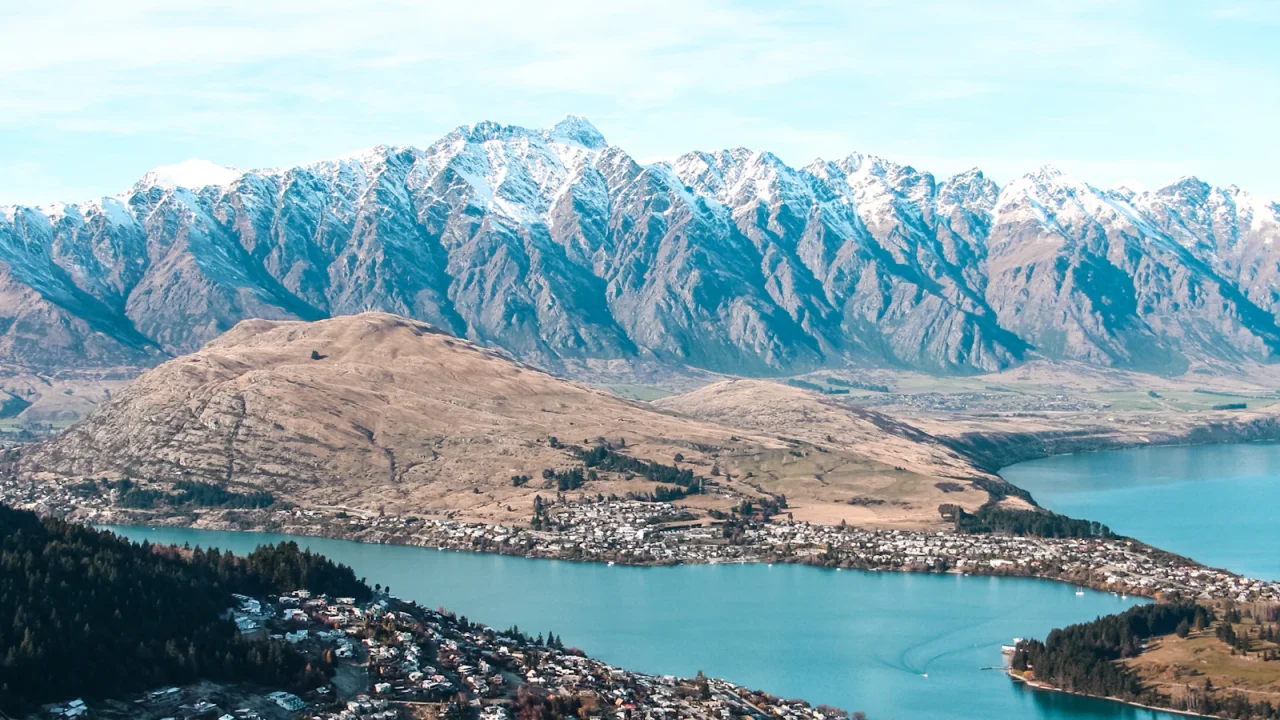
New Zealand’s big draw is timing. While North America, Europe and Japan are in summer, the Southern Alps and the North Island’s volcano are in the middle of winter. Add compact, sociable ski areas, a lively base town in Queenstown, and a scattering of community-run club fields that feel like a different sport entirely, and you have a destination that rewards riders who want something other than another Alpine week.
This guide covers the regions and fields worth knowing, when the Southern Hemisphere season typically runs, how to get around, what to know about costs, and two pieces of New Zealand admin that matter for snowboarders: the entry authorization and the biosecurity rules for used gear. Dates and prices are labeled and dated; check official sources before booking.
Why snowboard in New Zealand
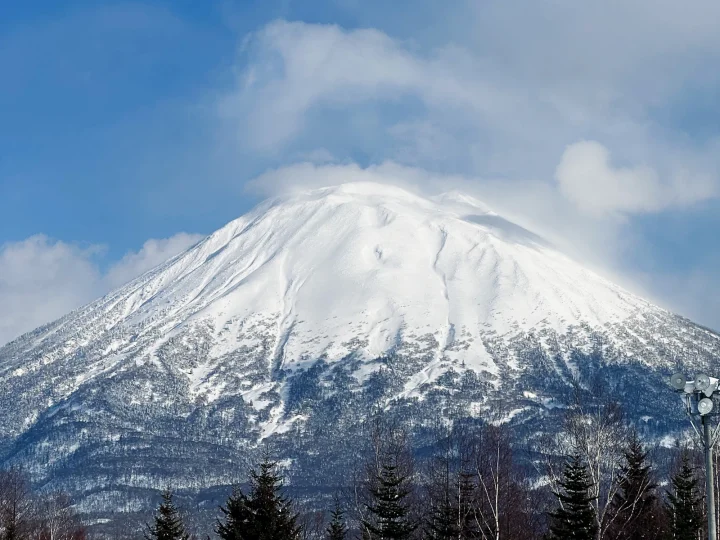
The calendar is the obvious answer. If you are used to riding in December through April, a June to October season lets you spread your snow time across the year. Beyond that, the geography is dramatic: ski fields sit on the Southern Alps and on Mt Ruapehu, a volcano within Tongariro National Park, a dual World Heritage site.
The ski areas themselves are smaller than the Alpine giants, which means shorter lift lines in the quieter weeks, simpler logistics and a more relaxed feel. They also come in two flavors. Commercial fields such as Coronet Peak, Cardrona and Mt Hutt offer lifts, lessons and terrain parks. Club fields are run by clubs and members, with simple facilities, rope tows and cheaper access, and they are a true New Zealand experience. For comparison with other long-haul options, see our Japan guide and the best snowboarding destinations in the world roundup.
Main regions and best-known fields
| Region | Fields | What stands out |
|---|---|---|
| Queenstown | Coronet Peak, The Remarkables | Coronet Peak is about 25 minutes from Queenstown and has historically offered night skiing; both are run by NZSki |
| Wānaka | Cardrona, Treble Cone | Cardrona has a halfpipe, terrain parks and a beginners’ area; Treble Cone is promoted for long runs and off-piste terrain |
| Canterbury | Mt Hutt, plus club fields such as Craigieburn Valley, Broken River, Mount Olympus and Temple Basin | Mt Hutt is about 80 km west of Christchurch; the club fields are in the Southern Alps |
| Ruapehu (North Island) | Whakapapa, Tūroa | Two ski areas on one volcano; Tūroa lists the largest vertical drop in Australasia |
Queenstown and Wānaka
Queenstown’s main commercial fields are Coronet Peak and The Remarkables. Coronet Peak is a short drive from town and has a reputation for night skiing on selected evenings, though schedules change, so check the current season. Further north, Cardrona has 615 hectares across five basins, a dedicated beginners’ area, a halfpipe and terrain parks, and a Parks Squad program. It is about 45 minutes from Wānaka (35 km) and about an hour from Queenstown Airport (54 km). Treble Cone is about 30 minutes from Wānaka via a 7 km mountain road, with a free shuttle from the bottom. Cardrona and Treble Cone now share a season pass and a website, with the Unlimited Season Pass covering about 1,000 hectares across both.
Canterbury
Mt Hutt, run by NZSki, is about 80 km west of Christchurch, with a summit at 2,190 m and beginner to advanced terrain plus several terrain parks. It is often cited as one of the first fields in the Southern Hemisphere to open each season. In the Craigieburn Range and nearby, club fields offer an old-school alternative. Craigieburn Valley is about a 90-minute drive from Christchurch, welcomes visitors, uses rope tows and quick tows, and describes rest days on Mondays and Tuesdays. Temple Basin is a club-run area described as one of New Zealand’s oldest, with catered ski-in, ski-out lodges, and it states that snowboarders are welcome.
Mt Ruapehu
Whakapapa has 12 lifts across 550 hectares, from gentle beginner slopes to advanced freeride terrain. Tūroa covers 500 hectares, includes New Zealand’s highest lifted point at 2,230 m, and lists a 722 m vertical drop, which it describes as the largest in Australasia. For backcountry riders, Mount Potts offers heli-skiing and snowcat riding, and Invincible Snowfields is helicopter access only.
When to go
New Zealand’s snow season typically opens in mid-June and, in good winters, can run into early November. Coronet Peak typically runs from early June to late September or early October, and Mt Hutt runs from June to October. On Ruapehu, Whakapapa’s winter season is roughly May to October, with its Snowland area opening May 30, and Tūroa estimates its 2027 season will run from early June to the end of October.
Early and late in the season, fewer lifts and trails may be open, and club fields vary their operating days, so check before you drive up.
Getting there and getting around
Queenstown and Wānaka. Queenstown Airport offers direct daily flights to New Zealand’s three largest cities, and four airlines fly from Queenstown to Australian destinations. The airport says downtown is about 20 minutes by car and the nearest ski field about 30 minutes away. Cardrona offers bookable bus services from Queenstown and Wānaka and free mountain road shuttles, and Treble Cone has a free shuttle from the foot of its access road. Check road conditions in winter.
Canterbury. Christchurch is the gateway for Mt Hutt and the Craigieburn Range. Craigieburn Valley is about a 90-minute drive from Christchurch, so a rental car or a booked shuttle is usual.
Ruapehu. Whakapapa says the nearest airport is Taupō’s domestic airport, about a 1 hour 20 minute drive, and describes the mountain as an easy drive from Auckland, Wellington and most North Island towns. Pre-booked shuttles mostly leave from the Park and Ride Centre in National Park, and in winter the access road may be open, restricted to 4WD or chains, or closed, so check the road status.
Our guide to flying with a snowboard covers airline baggage basics for long-haul flights.
Costs overview
New Zealand prices are quoted in NZD. Current day-ticket prices were not available from the official pages at the time of writing, so check the resort sites for these. The figures below come from the Cardrona and Treble Cone website as listed in November 2026 (the site did not state the season) and are shown for scale only.
| Item | Published figure (NZD) | Source and date |
|---|---|---|
| Cardrona and Treble Cone Unlimited Season Pass (both mountains) | From NZ$1,429, listed as reduced from NZ$1,889 | Cardrona & Treble Cone website, November 2026 |
| Cardrona Saver Season Pass (Cardrona only) | From NZ$1,029, listed as reduced from NZ$1,149 | Cardrona & Treble Cone website, November 2026 |
| Day tickets, lessons, rentals | Check each field’s current price list | Official field websites |
Season passes are aimed at locals and long stays, so most visitors will compare day and multi-day tickets, which are not shown here. Club fields are usually cheaper than commercial fields, but you should check whether they sell day passes to non-members on the day you plan to visit. Our snowboard holiday cost guide and the budget calculator can help you assemble a total, including the long flight.
Tips for snowboarders
- Sort your entry authorization early. Citizens of visa-waiver countries may need an NZeTA before traveling to New Zealand, and Australian citizens do not. Check Immigration New Zealand for your situation.
- Declare used snow gear. The Ministry for Primary Industries says travelers must declare pre-owned sporting equipment, footwear and outdoor gear, and remove any soil first. Penalties can apply. Clean your boots, bindings and bag before you pack.
- Check roads and chains. Mountain access roads can have conditions that require chains or 4WD, as Whakapapa notes, and shuttles can be a simpler option.
- Look at the club fields. They are a different experience from the commercial fields. Check operating days (Craigieburn Valley, for example, describes rest days) and whether you need to bring your own food or gear.
- Book lessons and rentals for school-holiday weeks. See rent or bring your own snowboard if you are deciding.
- Cover your trip. Winter-sport medical cover matters on a long-haul trip; see our snowboard travel insurance guide.
Used snow gear has to be clean for biosecurity checks, and a stiff boot brush helps. A wheeled bag makes the long-haul journey easier.
View on Amazon (opens Amazon search for boot brush for cleaning shoes in a new tab)
See Available Options (opens Amazon search for padded snowboard travel bag with wheels in a new tab)
Pros and cons of snowboarding in New Zealand
Pros
- Ride while the Northern Hemisphere is in summer
- Dramatic scenery, from the Southern Alps to a volcano
- A mix of commercial fields and community-run club fields
- Terrain parks and a halfpipe at Cardrona
- Easy air links to Queenstown from New Zealand and Australian cities
Cons
- Long-haul flights from North America and Europe
- Smaller ski areas than the Alpine and Japanese giants
- Opening dates and conditions depend on the winter
- Access roads can need chains or 4WD
- Entry authorization and biosecurity checks add admin
Frequently asked questions
When is the New Zealand snowboard season?
Typically mid-June to early October for many fields, and in good winters the season can run into early November. Tūroa estimates its 2027 season will run from early June to the end of October.
Which airport should I fly into?
Queenstown Airport is the closest for Queenstown and Wānaka fields, Christchurch is the gateway for Canterbury, and Taupō’s domestic airport is the closest to Ruapehu, with many riders driving from Auckland or Wellington.
What is a club field?
A club field is a ski area run by a club rather than a commercial operator, usually with basic facilities and rope tows. Examples include Craigieburn Valley, Temple Basin, Broken River and Mount Olympus in Canterbury, and Manganui and Tukino on the North Island.
Are there terrain parks in New Zealand?
Yes. Cardrona has a halfpipe and terrain parks, and Mt Hutt has several terrain parks. Park setups change from year to year, so check the field’s site.
Do I need a visa or NZeTA to visit?
Citizens of visa-waiver countries may need an NZeTA, while Australian citizens do not. Check Immigration New Zealand for your nationality before you book.
Can I bring my used boots and board?
Yes, but you must declare them. The Ministry for Primary Industries requires travelers to declare pre-owned sporting equipment, footwear and outdoor gear and to remove any soil first.
Keep planning
- Snowboarding in Japan
- Snowboarding in Canada
- Best snowboarding destinations in the world
- Best snowboard travel bags
Sources and further reading
- Mount Ruapehu — Ruapehu Alpine Lifts
- Whakapapa — Ruapehu Alpine Lifts
- Getting here — Whakapapa
- Tūroa — Ruapehu Alpine Lifts
- Cardrona & Treble Cone — Cardrona Alpine Resort and Treble Cone
- Craigieburn Valley Ski Area — Craigieburn Valley Ski Club
- Temple Basin — Temple Basin Ski Club
- Queenstown Airport — Queenstown Airport Corporation
- Destinations — Queenstown Airport
- NZeTA — Immigration New Zealand
- Bringing or posting items to New Zealand — Ministry for Primary Industries
- Skiing in New Zealand — Wikipedia
- Coronet Peak — Wikipedia
- Mount Hutt — Wikipedia
- List of ski areas and resorts in Oceania — Wikipedia